— BUYING GUIDES
Compostable Packaging for Cloud Kitchens: Containers That Survive Delivery
November 2026
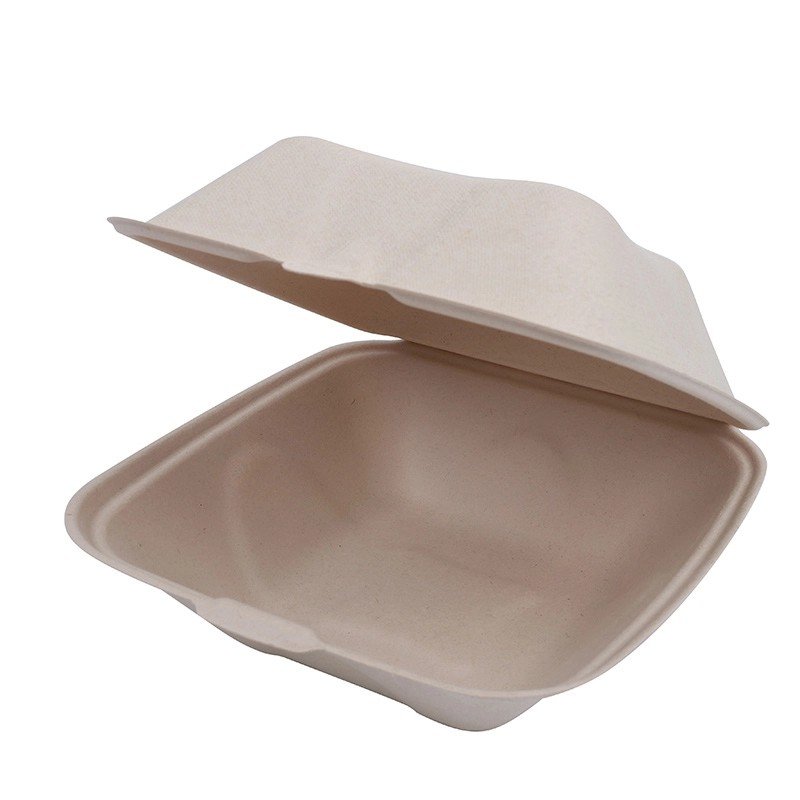
If you supply compostable packaging for cloud kitchens, the packing bench is not the test. The test is the ride. A container can look strong when it is filled, then leak, soften or crush inside a rider box. This guide treats the delivery run as a buyer test protocol. It covers menu-by-menu format choice, lid seal, steam behaviour and stack strength. Use it to judge compostable packaging for cloud kitchens on your own food, before you commit to volume.
We write this from the factory side. Hebei Daoxiang Eco Tableware Technology Co., Ltd. runs its own moulding plant in Hebei, China. We produce sugarcane bagasse plant-fibre moulded tableware, with 126 items across six collections. Cloud kitchen formats sit inside that wider range, alongside bowls, trays, plates and clamshells. Everything below reflects how delivery-first buyers actually specify, test and reorder.
Why compostable packaging for cloud kitchens is a different buying job
A restaurant container is carried to a nearby table. A cloud kitchen container is sealed, bagged, stacked and carried across a city. That difference changes what good compostable packaging for cloud kitchens has to do.
First, there is no recovery moment. Kitchen staff cannot replate a dish, wipe a leak or replace a lid after the rider leaves. The container that leaves the pass is the product the customer judges.
Second, several brands often share one kitchen. A single site may pack burgers, noodles, curries and salads in the same shift. Buyers therefore need a short range that covers very different foods, without a different box for every dish.
Third, orders travel together. Hot and cold items share a bag, and several orders share one rider box. Heat, moisture and weight move between containers in ways a single bench test never shows.
Distributors feel these pressures twice. Their cloud kitchen customers blame the packaging when a delivery arrives badly, even when the food was packed well. For that reason, compostable packaging for cloud kitchens should be specified by delivery condition, not by catalogue photograph.
Match the format to the menu in compostable packaging for cloud kitchens
Start with the menu, not the catalogue. In compostable packaging for cloud kitchens, the dish decides the format, the lid and the failure you should test for first. The table below summarises the shortlisting logic most buyers use. Treat sizes as common market ranges buyers typically source, not as a specification sheet.
| Menu type | Format buyers usually shortlist | First failure to test |
|---|---|---|
| Burgers and fried items | Hinged clamshell burger box | Steam softening and a greasy base |
| Noodles, curries and sauced mains | Round or rectangular bowl with separate lid | Leaks at the lid line when tilted |
| Rice meals and mixed grills | Compartment tray or deep clamshell | Sauce crossing between sections |
| Salads and cold dishes | Shallow tray or bowl with a flat lid | Condensation and crushing from above |
| Sides, sauces and extras | Small portion cups with lids | Lid pop-off inside a shared bag |
Hinged clamshells pack fast and suit dry or low-sauce dishes. They also remove a separate lid from the packing line. Our detailed guide to bagasse clamshell burger boxes covers hinge and closure checks for that format in depth.
Bowls suit wet food better, because depth keeps liquid away from the lid line. A separate lid also gives a flat surface for labels and order stickers. Buyers comparing bowl depths and lid types can use our guide to bagasse bowls as the format reference.
Capacities buyers typically source for delivery mains commonly fall around 500 ml to 1,500 ml. Smaller portion cups for sauces and sides sit well below that band. Use those ranges only to build a shortlist. Then weigh your own portions, because delivery food is portioned by recipe, not by container photograph.
Keep the shortlist short. Two or three core formats, each in one main size, usually cover a full cloud kitchen menu. Every extra format adds a lid pairing, a storage line and a new way for packing staff to make a mistake.
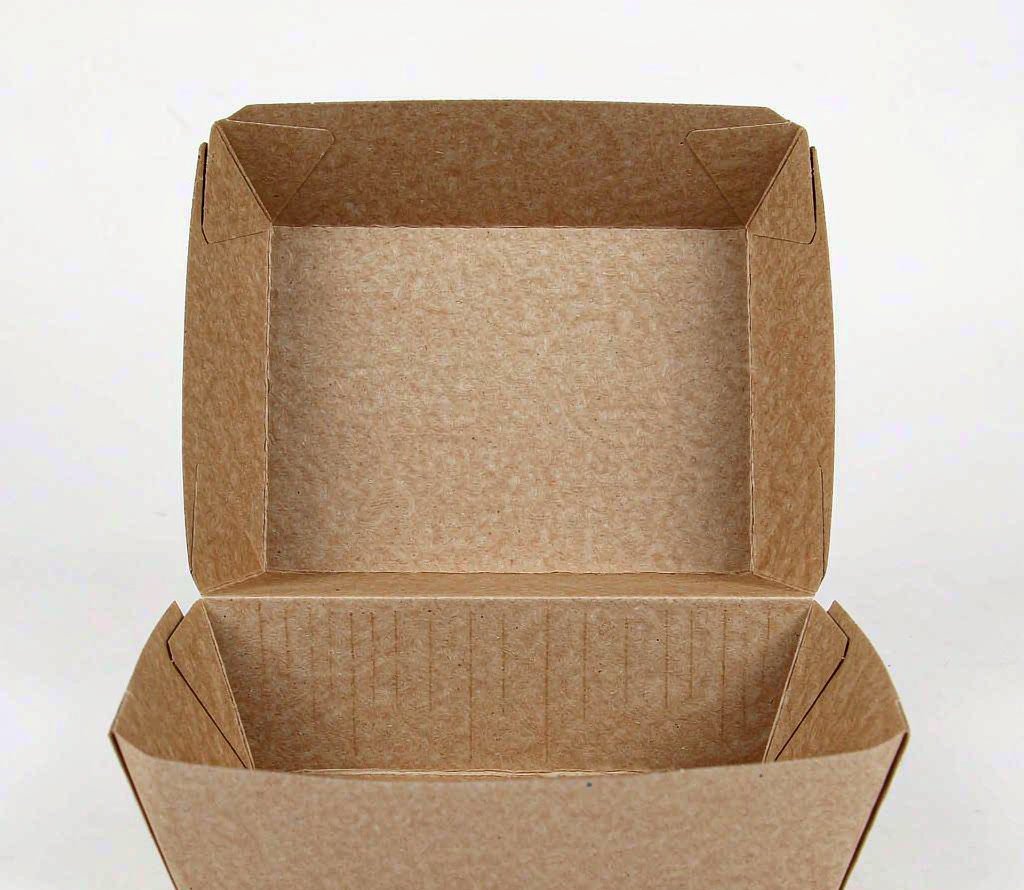
The 30–45 minute rider-box test for compostable packaging for cloud kitchens
Many buyers ask how long a container lasts in delivery. No honest supplier can answer that for your menu, your bag and your city. Treat 30–45 minutes as a test duration you set, not as a guaranteed performance figure for any product. Pack the food, start a timer, and judge the container when that time ends.
Run the test exactly as your kitchens run. Fill at normal serving temperature, seal as staff normally seal, and bag the order with the other items it usually travels with. Then place it in a rider box or delivery bag for the full test period. Open it as a customer would, and record what you find.
Check one: lid seal under movement
Halfway through the test, tilt the bag and turn it gently, as a rider would in traffic. At the end, check the lid line, the bag and any paper wrapping for leaks.
Check hinged closures for gaps at the corners. Check separate lids for lifting, sliding or partial release. A seal that only holds on a flat bench has not passed.
Check two: steam and condensation
Hot food releases steam inside a closed container. That moisture has to go somewhere, and it often softens the lid or the upper walls first.
After the test period, check the base for softness where sauce or liquid pooled. Check fried food for texture loss, and check the lid underside for heavy condensation. Compare a vented and an unvented packing routine if your menu includes many fried items.
Check three: stack strength when loaded
Stack filled containers as riders and drivers actually stack them, not as a neat display. Put the heaviest order at the bottom and lighter orders above it, then reverse the order in a second run. At the end, check lower containers for dipping lids, crushed corners and food pressed against the lid. In compostable packaging for cloud kitchens, stack failure often looks like a leak, because a dipping lid breaks the seal.
Record each check per SKU and per dish. Keep the notes, the timer result and one tested container beside the sample set. A pass for a dry burger does not predict a pass for a sauced noodle dish in the same box.
Lids, steam and the small details that decide repeat orders
Buyers comparing compostable packaging for cloud kitchens often focus on wall thickness. In delivery, the lid pairing usually decides the complaint rate. A strong base with a loose lid still arrives as a leak.
Ask any supplier which lid was moulded for which base. Do not assume two items on the same catalogue page fit each other well. Request paired samples, and test the exact pairing you plan to order. Fill it with your sauciest dish, not your easiest one.
Order stickers and labels need attention too. Cloud kitchens run on platform labels, allergen notes and brand stickers. Check that the lid top is flat and clean enough for your label size. Then check that the label still holds after steam and condensation from a hot delivery run.
Cutlery and extras belong in the same test bag. If you add cutlery, use only the route you actually plan to sell. Our range covers paper cutlery and individually wrapped sets. Place the set inside the test bag and check that it does not pierce, press into or unbalance the food containers during the ride.
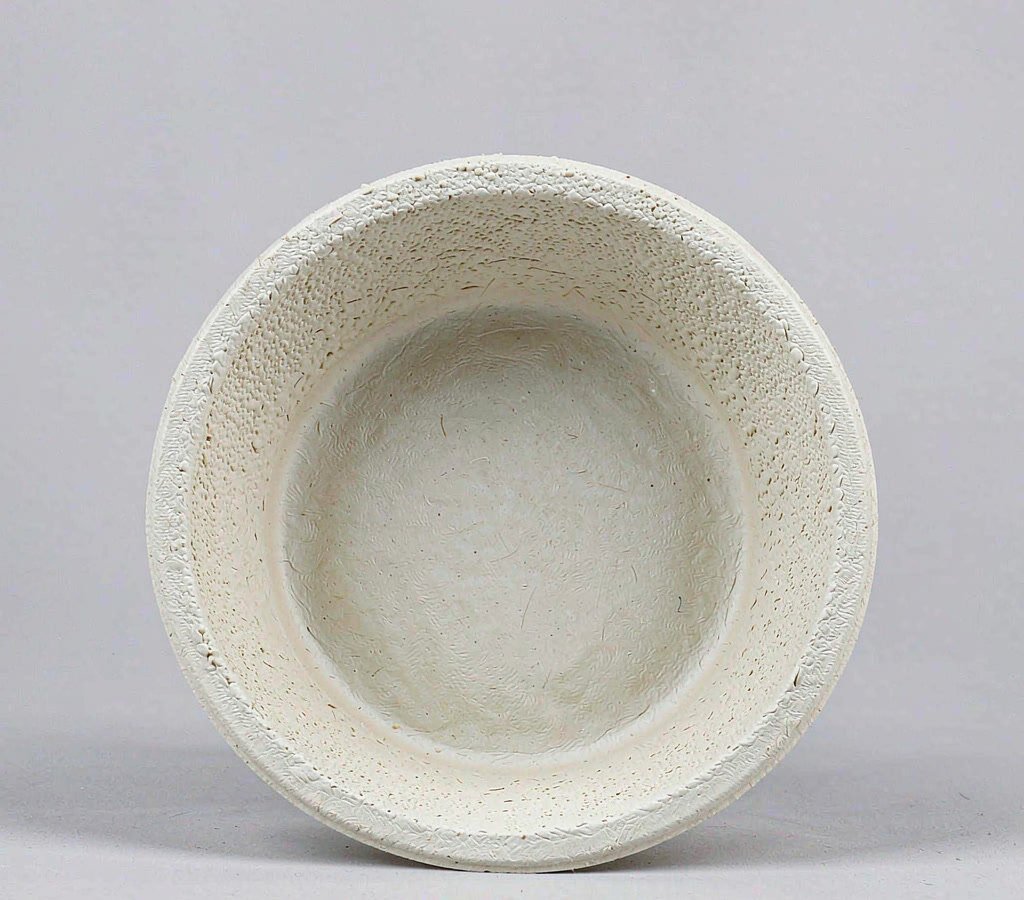
Stacking, bagging and workflow on a busy cloud kitchen line
Good compostable packaging for cloud kitchens must also work at packing speed. A container that tests well but slows the line will be packed badly when orders peak. Packing errors then become delivery failures.
Check four workflow points on samples. First, separation: bases and lids should come apart easily, without staff prising at edges with wet hands. Second, closure feel: staff should be able to tell by touch that a lid or hinge has closed properly.
Third, footprint discipline: limit the footprints on one line, so bags pack tightly and orders do not slide. Fourth, storage near the line: keep cases close, dry and off the floor, so staff are not carrying damp stock to the bench.
Bagging order matters as much as the container. Heavy, hot items belong at the bottom, with cold and crushable items protected above or beside them. Agree one bagging order per menu type and train to it. Then run your rider-box test again using that order, because a new bagging routine changes stack pressure and steam exposure.
Storage affects the test result too. Bagasse is a natural fibre and absorbs ambient moisture. Cases stored against a damp wall can feel soft before they are filled. Rotate stock so older cases are used first, and note storage conditions beside your test results.
MOQ, samples and ordering compostable packaging for cloud kitchens
Our minimum order for items from existing moulds is 5,000 pieces per SKU. One SKU means one format in one size, with its matching lid arrangement where a separate lid applies. Custom shapes need a new mould and start at 20,000 pieces. Most buyers therefore launch compostable packaging for cloud kitchens with two or three proven SKUs.
Free samples are dispatched within 3 days, and production runs 15–20 days after order confirmation. Use the sample stage for the full rider-box protocol above. Test each shortlisted format with the dish it will actually carry. Approving compostable packaging for cloud kitchens from an empty container on a desk is the most common mistake we see in this segment.
Plan reorders before the first order lands. Cloud kitchens cannot pause while packaging is in production. Agree which SKUs you will reorder, and at what stock level you will trigger the next run. A narrow range that never stocks out serves a delivery brand better than a wide range that runs dry.
On compliance, our tableware is certified to FDA and LFGB food-contact requirements and to EN 13432, with production under ISO 9001. Ask us for the documentation for the specific items you plan to import. Keep that document set with the SKU list it covers.
FAQ: compostable packaging for cloud kitchens
How do I test compostable packaging for cloud kitchens before ordering?
Use a timed rider-box protocol on your own food. Fill and seal each sample as your staff normally would, then bag and stack it for 30–45 minutes. Check lid seal, steam softening and stack strength at the end. Record the result per SKU and per dish.
Which format is best for burgers and fried food?
Most buyers shortlist a hinged clamshell for burgers and fried items, because it packs fast and needs no separate lid. Steam is the main risk for this menu type. Test the filled box after a full delivery run and check the base, the hinge and the texture of the food.
Which format is best for curries, noodles and sauced dishes?
Most buyers shortlist a deeper bowl with a separate, well-fitted lid for wet dishes. Depth keeps liquid below the lid line during movement. Test the exact base and lid pairing together, filled and tilted, because the pairing decides leak performance more than the base alone.
What is the minimum order for cloud kitchen containers?
For items from our existing moulds, the minimum is 5,000 pieces per SKU, where a SKU is one format in one size. Custom shapes need a new mould and start at 20,000 pieces. Most buyers combine two or three SKUs in one order, and each SKU meets its own minimum.
How long do samples and production take?
We dispatch free samples within 3 days. Once an order is confirmed, production runs 15–20 days. Build the full rider-box testing into the sample window, so your approval rests on timed delivery tests rather than on appearance alone.
Start with samples, not a container. Tell us which menus you pack and how your riders carry them, and we will send free samples for your own timed delivery tests. Reach us on WhatsApp +86 18733012158 or through our contact page. That is the fastest way to judge compostable packaging for cloud kitchens for your range, from Hebei Daoxiang Eco Tableware Technology Co., Ltd.