— BUYING GUIDES
Bagasse vs PLA: Which Compostable Material Fits Your Product Line?
November 2026
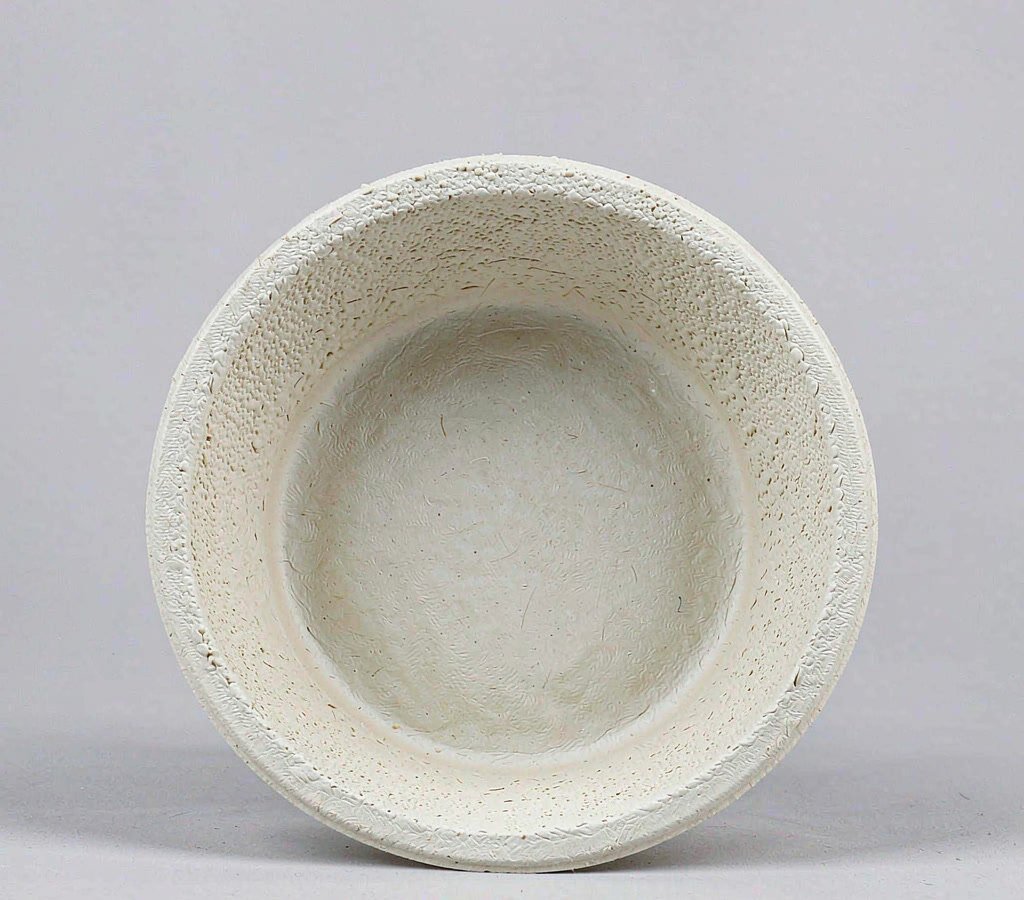
Most bagasse vs PLA decisions start the same way. A customer asks for compostable tableware, and two very different materials arrive on the same quotation sheet. Both can be certified compostable. They behave almost oppositely in service. This guide compares them honestly: heat, transparency, composting route and cost drivers, so you can spec each product line on facts.
We write this from the factory side. Hebei Daoxiang Eco Tableware Technology Co., Ltd. runs its own moulding plant in Hebei, China. We make sugarcane bagasse tableware only — 126 items across six collections — and we do not sell PLA.
That bias is worth stating openly. The bagasse vs PLA comparison below still gives PLA full credit where it wins, because a line specced on a one-sided comparison fails later.
What the bagasse vs PLA choice really compares
Bagasse and PLA start from plants, but they part company immediately after that. Bagasse is the dry fibre left after sugarcane stalks are crushed for juice. The fibre is pulped with water, then pressed and dried inside heated moulds. The result is a thick-walled, opaque, paper-like part: a plate, bowl, tray or clamshell.
PLA, or polylactic acid, is a bioplastic. Plant starch, usually from corn, is fermented into lactic acid and then polymerised into resin pellets. Those pellets are melted and formed much like conventional plastic. PLA can be injection moulded, thermoformed into thin walls, or extruded as a film or coating.
So the bagasse vs PLA choice is really a process choice. One material is moulded fibre, shaped wet and dried in the tool. The other is a melt-formed plastic that happens to be plant-based. Almost every practical difference in this article follows from that single fact.
Forming also decides what each material can become. Moulded fibre suits rigid, single-piece serveware with real wall thickness. Melt forming suits thin, precise and transparent parts. If you want the wider process picture, our overview of pulp moulded vs plastic tableware sets moulded fibre against plastic forming in more depth.
Bagasse vs PLA at a glance: the spec table
The table below summarises the bagasse vs PLA comparison buyers ask us about most. Performance figures are given as common market ranges buyers typically source. Treat them as screening ranges for your shortlist, not as a specification for any single SKU. Always confirm the exact figures for the items on your quotation.
| Property | Bagasse (moulded fibre) | PLA (bioplastic) |
|---|---|---|
| Feedstock and form | Sugarcane fibre pulp, wet-pressed and dried in moulds | Plant-starch resin pellets, melted and formed like plastic |
| Appearance | Opaque, white or natural fibre colour, matte surface | Can be crystal clear, translucent or coloured |
| Heat behaviour (common market ranges) | Typically sourced for hot, wet and oily food, including near-boiling fills for short service | Standard PLA typically softens in ranges around 55–65°C; heat-resistant CPLA grades are a separate, costlier variant |
| Cold and freezer use | Works cold, but fibre absorbs moisture over long storage | Performs well cold; can turn brittle at freezer temperatures |
| Grease and wet food | Handles oily and saucy food over a normal meal service when well moulded | Excellent liquid barrier; thin walls can flex under heavy loads |
| Rigidity and feel | Thick wall, rigid in the hand, forgiving to carry loaded | Thin wall, light and precise; rigidity depends heavily on wall design |
| Composting route | Certified compostable fibre; breaks down in industrial composting, and fibre generally degrades in active home compost too | Industrial composting only; needs sustained high temperatures to break down |
| Typical winning formats | Plates, bowls, trays, clamshells, hot-food containers | Clear cold cups, lids, deli containers, films, cutlery in CPLA |
| Main cost drivers | Mould cost, wall thickness, freight on bulky nested stacks | Resin price, thin-wall tooling, CPLA premium where heat is needed |
Read the table as a routing tool, not a verdict. Most mixed bagasse vs PLA ranges end up using both materials, each where it is strongest. The sections below explain the three rows that cause the most expensive mistakes: heat, transparency and composting route.
Heat, grease and wet food: where bagasse vs PLA behaviour splits
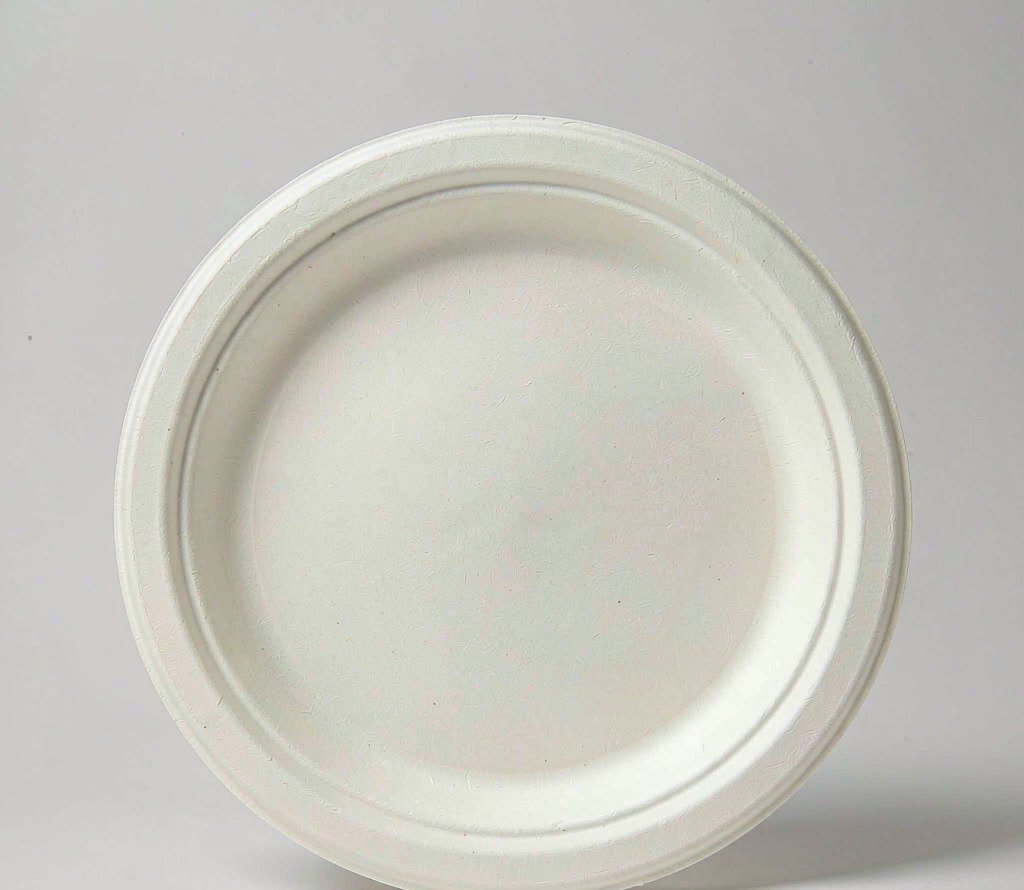
Heat is the sharpest dividing line in any bagasse vs PLA comparison. Bagasse fibre does not melt. A well-moulded bagasse plate or bowl keeps its shape under hot, steaming and oily food. That is why caterers serve curries, soups and roast meals on it without a second thought.
Standard PLA behaves very differently. In the common market ranges buyers typically source, standard PLA begins to soften at temperatures a hot drink or fresh soup easily exceeds. A clear PLA cup that performs perfectly with iced coffee can distort under a hot fill. This is a material property, not a quality defect, and no supplier can quote it away.
The exception is CPLA, a crystallised, heat-treated PLA variant. CPLA handles hot service far better and is widely used for coffee-cup lids and cutlery. It costs more than standard PLA, it is opaque rather than clear, and it is still PLA at end of life. When a quotation says PLA, ask which grade it actually is.
Grease and liquid over a real service period
Both materials handle grease, but by different mechanisms. Bagasse resists oil through fibre density and pressing quality. A well-pressed plate holds a saucy serving for a normal meal without soaking through. A poorly pressed one softens where sauce pools, which is a moulding-quality question.
PLA resists liquid because it is a continuous plastic film. Nothing soaks into it, and cold liquids can sit in it for far longer than a meal. For long, wet storage — chilled deli salads, marinated items held overnight — that barrier is a genuine advantage. Judge hot and greasy service by testing samples with your own food, not by data sheets.
Transparency and thin walls: where PLA genuinely wins
If your product needs to be seen, the bagasse vs PLA argument ends quickly. Bagasse is opaque. It will always be opaque, in white or natural fibre tones. No finish or coating turns a moulded-fibre bowl into a window.
PLA can be made crystal clear. That single property owns whole categories: cold cups that show the drink, deli containers that sell the salad inside, lids that display toppings. For cold drinks especially, a clear thin-wall PLA cup is lighter, clearer and usually cheaper to ship than any fibre alternative. We say this as a fibre factory: do not force bagasse into a clear-cup line.
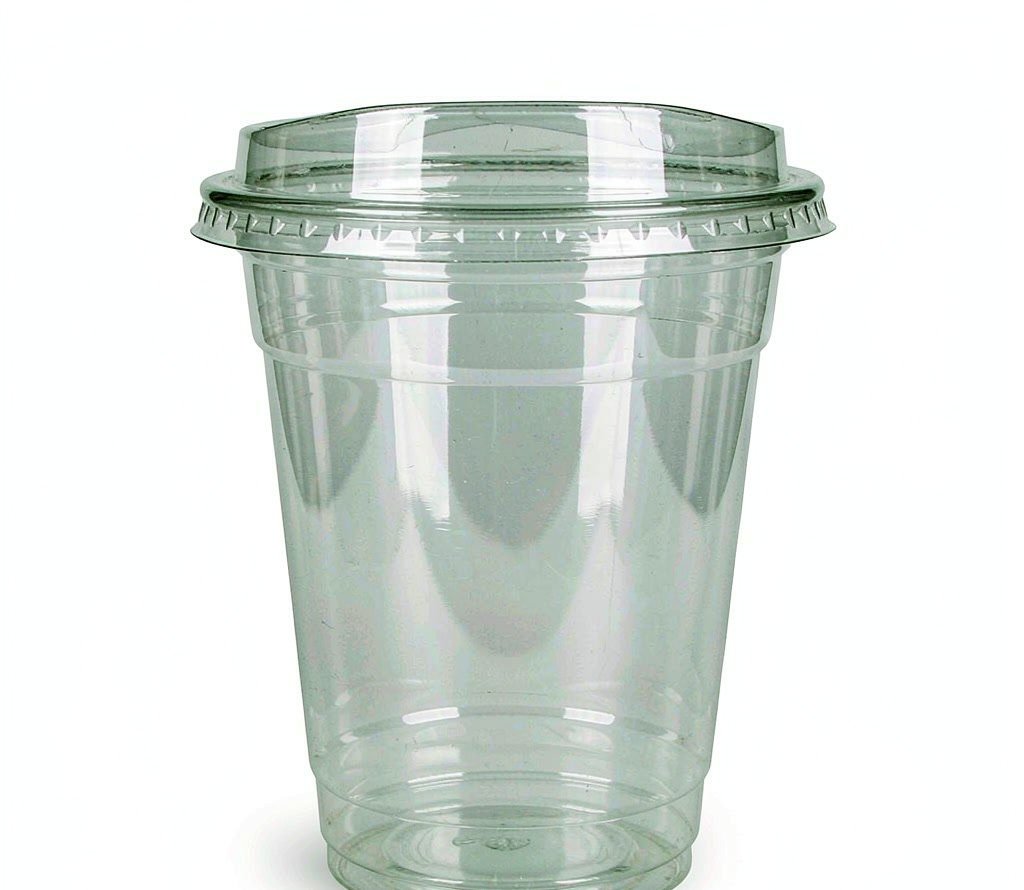
Thin-wall precision is the second PLA win. Melt forming holds tight tolerances, so PLA lids snap onto PLA cups with plastic-like consistency. Moulded fibre carries slightly more variation from part to part. Fibre lids work well, but they reward buyers who test fit on real cups rather than assuming it.
Presentation cuts both ways, though. Bagasse reads as natural, matte and substantial in the hand. That suits hot-food, catering and premium eco positioning. Clear PLA reads as clean and modern, but also reads as plastic to many end users. Choose the look your customers already trust for that course.
Composting routes: the difference your customers will test
Both materials can carry compostable certification, and the word hides the biggest practical gap in the bagasse vs PLA debate. Bagasse is fibre. In industrial composting it breaks down readily alongside food waste. In an active home compost heap, plain moulded fibre also generally degrades, although home-compost certification is a separate claim to check per SKU.
PLA is industrial-composting only. It needs the sustained heat of a commercial facility, commonly around 58°C or above, to break down within certification timescales.
In a home heap, in soil, or in the sea, a PLA cup can persist much like conventional plastic. In landfill it degrades very slowly. None of this makes PLA dishonest. It makes the disposal route part of the specification.
So ask where your customers’ waste actually goes. If venues compost food waste commercially, both materials can complete the loop. If waste goes to general landfill or home composting, the fibre route is far more forgiving. Our explainer on compostable vs biodegradable vs recyclable tableware unpicks what each label legally means before you print it on pack.
One more caution applies to both sides. A compostable claim belongs to a specific finished item, not to a material in general. Wall thickness, coatings and blends all change the result. Ask any supplier, including us, for the certification documentation for the specific items you plan to import.
Cost drivers and sourcing a bagasse vs PLA range
Neither material is simply cheaper. In a bagasse vs PLA costing, different things drive the number. Bagasse pricing follows mould cost, wall thickness and weight of fibre per piece. Freight also matters, because nested plates and bowls still ship a lot of air.
PLA pricing follows resin cost, which moves with plant-starch feedstock markets. Thin walls keep piece weight low and freight efficient. The hidden step is grade: a line quoted in standard PLA may need costlier CPLA once hot items enter the menu. Compare quotations grade for grade, or the cheaper quote is answering a different question.
In practice, the bagasse vs PLA answer is rarely either/or. Most experienced buyers land on a split range. Bagasse carries the hot, opaque, rigid work: plates, bowls, trays and clamshells. PLA carries the clear and cold work: display cups, deli pots and lids. A split range is not indecision. It is each material doing the job its process suits.
For the bagasse side of that range, sourcing runs like this with us. Our minimum order is 5,000 pieces per SKU from existing moulds. Custom shapes need a new mould and start at 20,000 pieces. Free samples are dispatched within three days, and production runs 15–20 days after order confirmation. Our tableware is certified to FDA and LFGB food-contact requirements and to EN 13432, with production under ISO 9001.
For the PLA side, we cannot quote you, and any factory that makes only fibre cannot either. Source PLA from a bioplastics specialist, and apply the same discipline. Confirm the grade in writing, test hot and cold service separately, and check the composting claim per item. Then run both halves of the range against the same menu before you commit.
FAQ: bagasse vs PLA
Which is better in a bagasse vs PLA comparison for hot food?
Bagasse, in almost every hot-food case. Moulded fibre does not soften under hot, oily or steaming food over a normal service period. Standard PLA softens at temperatures hot food easily reaches. Heat-resistant CPLA narrows the gap for lids and cutlery, but it costs more and stays opaque.
Can PLA go in home compost?
No. PLA is industrial-composting only and needs sustained commercial composting heat to break down. In a home heap it can persist for a very long time. Bagasse fibre generally degrades in active home compost, but treat home-compost certification as a separate, per-item claim to verify.
Why do buyers still choose PLA if it needs industrial composting?
Because transparency and thin-wall precision matter commercially. Clear cold cups and deli containers sell the food inside them, and PLA does that better than any fibre. Where customers have access to commercial composting, PLA completes its loop properly. The material fails only when it is specced into the wrong job.
Is bagasse or PLA cheaper to import?
In any bagasse vs PLA price comparison, it depends on the item, not the material. Bagasse costs follow moulds, wall thickness and freight on bulky stacks. PLA costs follow resin prices, wall design and whether CPLA is needed for heat. Compare like for like: same format, same grade, same service test. A cheaper quote in the wrong grade is not cheaper.
Can one supplier provide both bagasse and PLA?
Some traders offer both, but the two materials come from different processes and usually different factories. We make bagasse only, so we quote the fibre side and say so openly. Whoever supplies your PLA, ask for grade confirmation and per-item certification documents, exactly as you would with us.
Start with samples, not a container. If your bagasse vs PLA shortlist includes plates, bowls, trays or clamshells, send us the formats you are considering. We will dispatch free samples within three days, so you can test hot, oily service on your own menu. Reach us on WhatsApp +86 18733012158, or send your enquiry through our contact page. Hebei Daoxiang Eco Tableware Technology Co., Ltd. can quote the bagasse side of your range — and tell you plainly where PLA serves you better.