Pulp moulded vs plastic tableware: what changes in practice
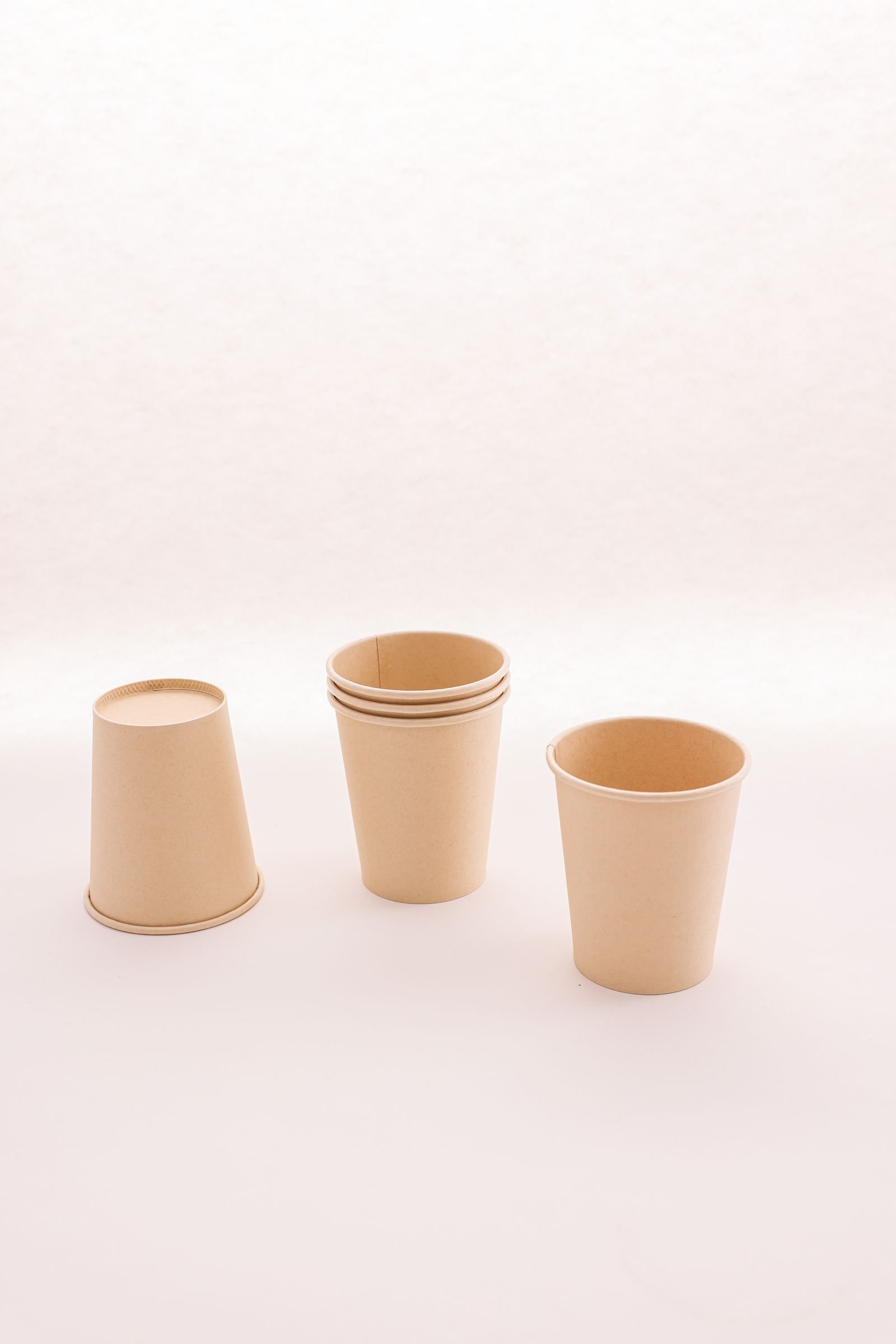
If you are weighing pulp moulded vs plastic tableware for a food service, retail or export programme, most comparisons stop at eco versus not eco. That is the least useful frame. The questions that decide whether a switch works are practical ones: does the piece hold hot food, does it resist grease, what happens to it after the meal, and does ordering change? Here is what changes, and what stays the same.
The short answer
- Pulp pieces are pressed from plant fibre and break down after use; plastic stays plastic for decades.
- Our catalogue pieces are rated from −18°C to 100°C, so freezer to hot food sits inside one material.
- Plant fibre resists grease and water by nature, so the pieces perform without a plastic lining.
- Ordering works the same way as any B2B supply: samples on request, MOQ confirmed at quotation, replies within one business day.
The material difference
Our tableware is moulded from plant fibre pulp, sugarcane bagasse, the fibre left after sugar extraction. It is pressed into shape under heat and pressure, so the piece is one material throughout: no plastic lining, no coating waiting to separate at end of life. Conventional plastic tableware is moulded from PP or PS polymers derived from fossil feedstock. Same table shape, a different starting point, and that difference runs through everything below.
The consequence shows up first in the waste stream. A pulp plate can be composted with food waste wherever industrial composting exists. A plastic plate cannot, whatever its colour or its stamp. If your operation already separates food waste, moulded fibre drops into the same stream instead of needing a third bin and a second conversation with staff.
What changes in daily use
- Temperature range. Catalogue pieces handle −18°C to 100°C. Freezer to hot food is covered by one material, with no need to split your range between frozen and hot lines. Our temperature guide walks through what sits inside that window in real service.
- Grease and liquids. Plant fibre is resistant to grease and water by nature, which is why the pieces perform without a plastic lining. Oils, sauces and dressings behave the way they do on plastic.
- Feel and presentation. A matte, moulded texture that reads as made-from-something rather than made-in-a-mould. For retail and branded food service, that surface carries a logo or a story better than gloss.
- Stacking and storage. Pieces nest and stack in cartons the way plastic does, so back-of-house handling does not change and existing shelving still works.
What changes at the end of life
Pulp pieces are compostable after use. They return to the ground instead of sitting in a landfill for decades. For operators, that shows up in two places: waste streams that sort more cleanly, and a genuine answer when customers ask what happens to the packaging afterwards. As our own line puts it: tableware grown from fibre, not fossil fuel.
One caution worth stating plainly: compostable is not the same as recyclable, and neither claim is universal. If your market makes specific claims, the certifications guide separates the marks that matter, and the label comparison explains what each one promises and what it does not.
What changes commercially
Nothing dramatic. You send a brief, we reply within one business day, samples go out on request, and your MOQ is confirmed in the quotation rather than guessed at in advance. Pricing depends on the piece, the volume and the finish rather than on the material alone; the cost breakdown sets out what drives a quote. The full ordering flow is covered in our ordering guide.
Lead times follow the same logic. Stock pieces run on the production calendar confirmed at quotation. Custom shapes follow the mould route: seven days to sample, thirty days to production once a drawing is approved. The shipping guide covers how the pieces are loaded and what documents travel with them.
Pulp moulded vs plastic tableware: the cost question
Buyers usually expect moulded fibre to cost more per piece, and sometimes it does. The gap is smaller than most people assume once the comparison is like for like: same piece count, same carton, same landed cost. Where the difference shows up is in waste handling, in what you can honestly tell customers, and in the regulations moving against single-use plastic in market after market.
Two quotes with the same ex-works price can land differently depending on how the pieces stack and how the cartons load, so ask for the landed comparison rather than the unit price. And sample before you commit: the sample testing checklist is the cheapest way to protect a whole programme.
Comparing options for a programme?
Send us the pieces, quantities and destination you have in mind and we will tell you which collection fits and what the MOQ looks like. Send a brief →