— BUYING GUIDES
Bagasse Cup Lids: A Wholesale Buyer’s Guide to Types, Fit and Sourcing
November 2026
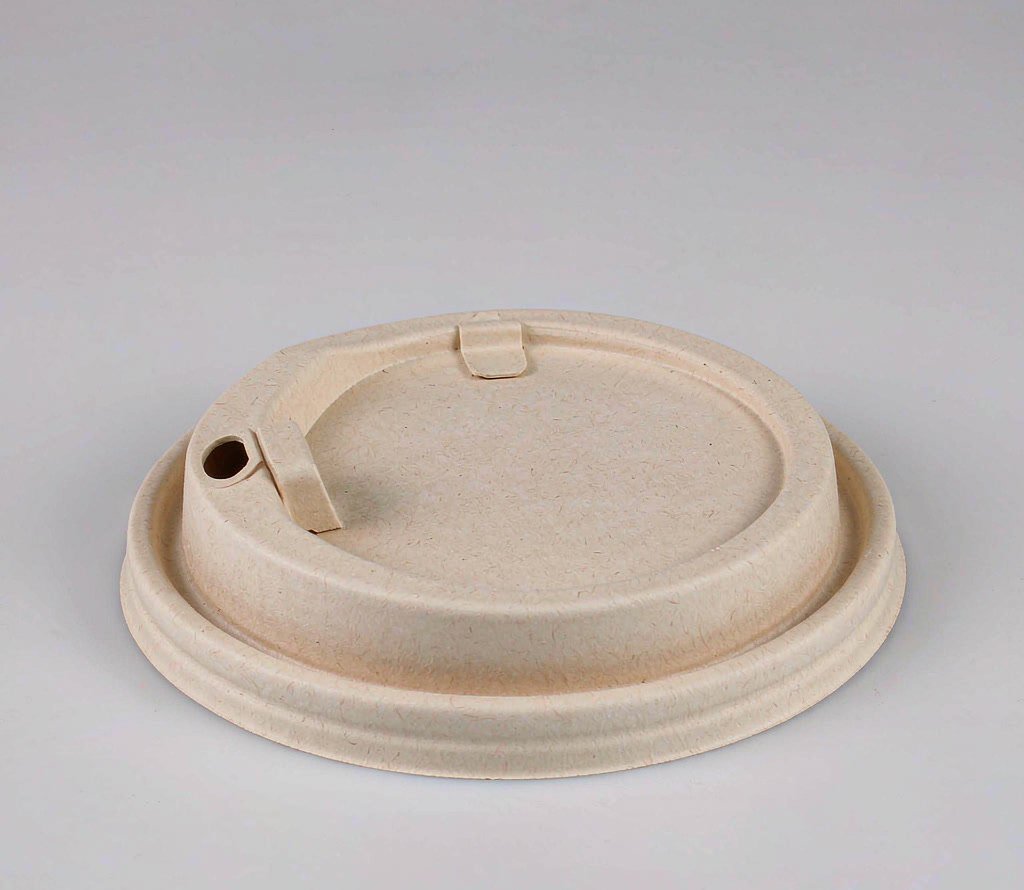
Buying bagasse cup lids wholesale rarely fails because of the material. It fails because a lid that looked right in a photograph fits one cup in ten badly in real service. A loose lid lifts inside a delivery bag. A tight lid will not seat at all. This guide covers the checks that prevent both outcomes: lid types, sizing by rim diameter, fit testing against your existing cups, and how lid orders run alongside cup orders.
We write this from the factory side. Hebei Daoxiang Eco Tableware Technology Co., Ltd. runs its own moulding plant in Hebei, China. We produce sugarcane bagasse tableware — 126 items across six collections — and cup lids sit inside our cups range. Lids are also the item buyers most often source separately, to match cups they already stock. That separation is where fit problems begin.
Why fit, not material, decides a bagasse cup lids wholesale order
A cup and its lid are not two products. They are one joint. The lid’s inner groove has to grip the cup’s rolled rim evenly, all the way round. When that joint is right, nobody notices. When it is wrong, every other quality stops mattering.
Moulded fibre makes the joint less forgiving than plastic. An injection-moulded plastic lid comes off a steel tool with very tight repeatability. A bagasse lid is pressed from wet pulp, dried in the mould, and trimmed, and the finished part still carries slightly more variation than a plastic equivalent. The cup rim varies a little too. Fit problems appear where the two variations add up in the same direction.
That is why tolerance is the complaint we hear about most often in bagasse cup lids wholesale purchasing. Buyers rarely report that a lid melted or tore. They report lids popping off in transit, staff forcing lids on during a rush, or one case in a pallet fitting worse than the rest. All three are tolerance complaints, not material complaints.
Heat and moisture widen the gap further. Steam softens the contact surfaces slightly, and a lid seated in a cold storeroom behaves differently at service temperature. A lid can also leave the mould very slightly oval. None of this makes fibre lids unreliable. It means fit has to be tested, not assumed from a catalogue diameter.
The three lid types buyers source
Almost every bagasse cup lids wholesale enquiry we see resolves into three types, which share the same material and the same fit problem but serve different drinks.
Flat lids
A flat lid sits low on the rim and keeps the cup’s profile compact for stacking and carrying. Flat lids often carry a small sip hole or cross-cut opening. They are the default for hot and cold drinks served without foam, cream or toppings. The low profile also shows a poor fit fastest: any gap at the rim is visible.
Dome lids
A dome lid rises above the rim and leaves headroom over the drink. Buyers choose domes for foamed drinks, whipped toppings and iced drinks that sit above the rim line. The extra height makes domes bulkier to stack and ship, and gives the lid more flex. Its seat therefore deserves the same testing as a flat lid, not less.
Sip lids
A sip lid has a raised drinking spout moulded into the top, so the customer drinks without removing the lid or using a straw. Sip lids suit takeaway hot drinks better than any other fibre format. The spout is the most detailed part of the mould, so rim fit and finish vary most between suppliers on this type. Test these first, and test them hardest.
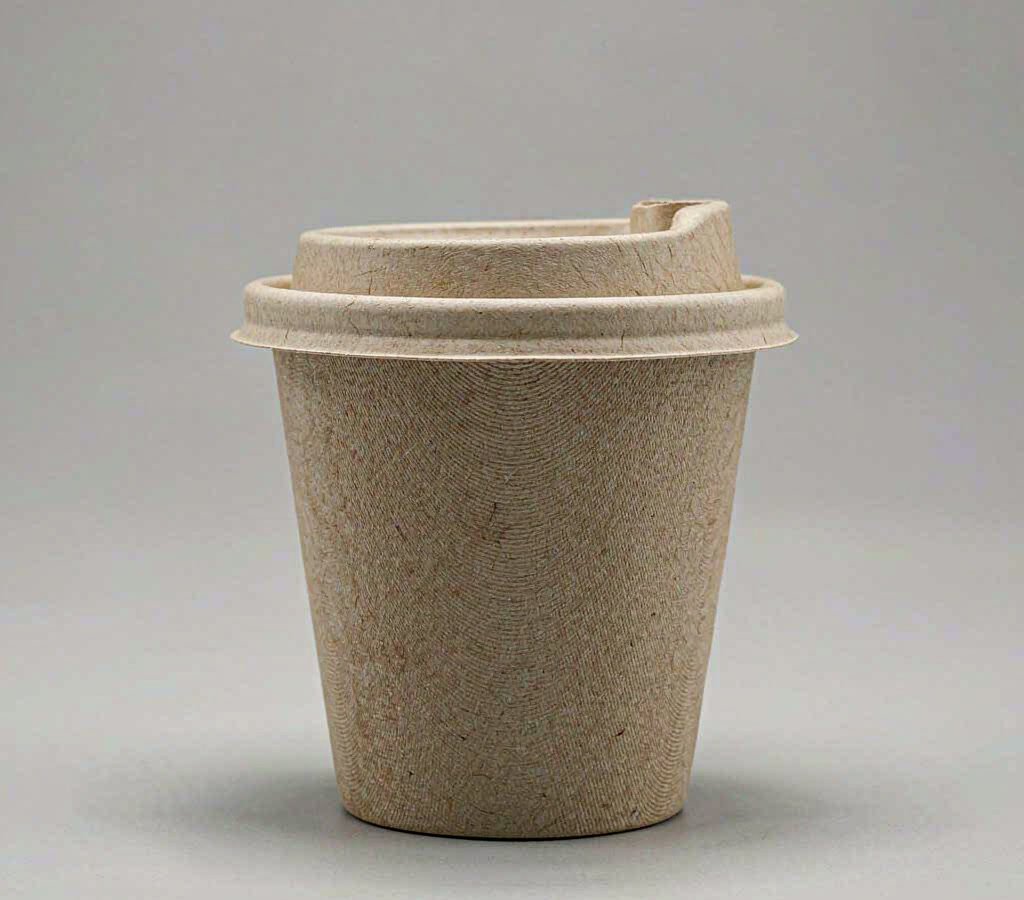
| Lid type | Typical use | Buying note |
|---|---|---|
| Flat | Standard hot and cold drinks, no toppings | Lowest profile; stacks tightest; shows rim gaps first |
| Dome | Foamed, whipped or iced drinks with headroom | Bulkiest to ship; check flex as well as fit |
| Sip | Takeaway hot drinks, no straw needed | Most detailed mould; test fit and finish hardest |
One practical rule follows. In bagasse cup lids wholesale planning, do not split a first order across all three types for one cup. Prove the fit with one type, then add the second once the pairing is stable.
Size the lid to the rim, not to the cup volume
The most common sizing mistake in bagasse cup lids wholesale sourcing is ordering by cup volume. Volume tells you almost nothing about the lid. Two cups of the same capacity can have different rim diameters, rim rolls and wall angles. A lid is specified by the rim it has to grip, and by nothing else.
Work in rim diameters instead. Buyers typically source lids in rim-diameter bands commonly quoted around 80 mm and 90 mm, with smaller and larger bands either side. Treat those figures as common market ranges buyers typically source, not as a specification for any single SKU. What matters is your cup’s measured rim diameter, the shape of its roll, and the depth of the lid’s groove.
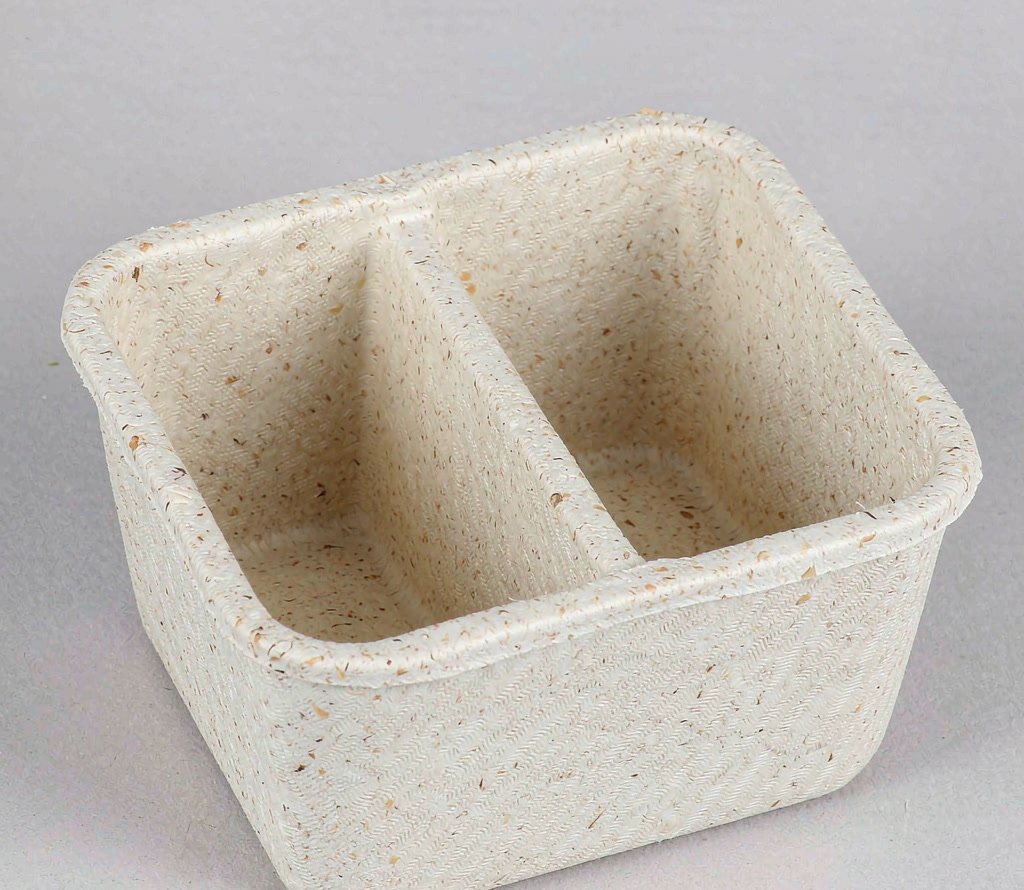
Shape matters as much as diameter. Most cups are round, but square and tapered formats exist, and each needs a lid moulded for that exact profile. A round lid will never seal a square cup, however close the measurements look. A catalogue photograph is not a sizing tool: two lids that look identical can differ by the one measurement that decides the fit.
So measure before you enquire. Take rim measurements from several cups in your current stock, not one showroom sample. Note the smallest and largest readings, not just the average, and send that range with your enquiry. In bagasse cup lids wholesale, that range is what makes a quotation meaningful. A supplier who quotes from cup volume alone is guessing, and the guess will arrive at your warehouse.
Fit testing bagasse cup lids wholesale samples against your real cups
Samples settle every argument here, and ours are dispatched free within three days. The point of a bagasse cup lids wholesale sample is not to admire the lid. It is to marry the lid to your cups, under your service conditions. Run the three tests below in order and keep the results with the SKU reference.
The seat and snap test
Take lids from across the sample pack, not just the top few. Seat each lid on at least twenty of your own cups, spread across different cases of your stock. A good pairing seats with firm, even pressure and a consistent feel from cup to cup. Reject it if some lids spin freely, some need two hands, or any lid rocks. Inconsistency across twenty cups is the tolerance problem showing itself early, while walking away is still free.
The hot-fill and carry test
Fill lidded cups with your hottest drink, at real service temperature, and leave them for a normal takeaway journey. Then carry them as a customer would: in a bag, in a carrier, one in each hand. Check whether lids lift as the fibre warms, whether the sip opening weeps, and whether the wall softens where fingers grip. A pairing that passes cold but fails hot will generate complaints within the first week.
The stack and transport test
Stack filled, lidded cups the way your staff or delivery riders actually stack them, and move them. A short drive over ordinary roads is an honest vibration test. Lids that survive the counter sometimes walk off the rim under sustained small movements. Finally, store lidded samples for a few days in your own storeroom and re-test the fit. Fibre responds to ambient humidity, and a pairing tested only in a dry office can behave differently in a working kitchen.
Keep one approved lid-and-cup pairing aside as your reference standard. When production stock arrives, seat the new lids on your cups and compare against that reference. Same pressure, same seat, same behaviour when hot: that is the cheapest incoming inspection you will ever run.
How bagasse cup lids wholesale orders run alongside cups
A lid is its own SKU, even when it is bought to match a cup. In bagasse cup lids wholesale orders, one lid type in one rim size is one SKU, with its own minimum. Our minimum order is 5,000 pieces per SKU for items from existing moulds. A shape that does not exist yet needs a new mould, and custom shapes start at 20,000 pieces. Production runs 15–20 days after the order is confirmed.
If you buy cups and lids from the same factory, settle the pairing before production, not after both items are made. Send the factory your cup rim measurements, or order the cups and lids as one discussed combination. If you are still speccing the cups themselves, our bagasse cups wholesale guide covers the portion, sauce and tea cups and the larger catalogue cups in our range. Deciding the cup first and the lid second, in writing, is what keeps the two SKUs matched.
The same logic applies beyond cups. Bowls and food containers close with lids too, and their seals fail for the same tolerance reasons. We cover those formats in our bagasse food containers wholesale guide. If your range mixes cups and containers, run the same rim-first discipline on both, and expect to test each pairing separately.
One packing point is worth agreeing before production. In a bagasse cup lids wholesale shipment, lids travel as nested stacks, and how those stacks are sleeved decides whether grooves arrive clean and undeformed. Agree the stack format and case quantities in writing, for each SKU separately. A deformed groove is a lid that will not seat.
On compliance, lids are food-contact items in their own right. Our tableware is certified to FDA and LFGB food-contact requirements and to EN 13432, with production under ISO 9001. Ask us for the documentation for the specific items you plan to import, and check the lid SKUs are covered, not only the cups.
Storage and arrival checks in a bagasse cup lids wholesale order
Most bagasse cup lids wholesale stock is stored for weeks or months before it is used, and storage quietly changes fit. Bagasse is a natural fibre and absorbs ambient moisture. A lid stored against a damp wall can relax or warp just enough to loosen its seat. Keep cases off the floor, away from damp, and in their sleeves until they are needed.
Rotate stock by arrival date, oldest first, so no case sits through a full humid season. If warehouse humidity swings between summer and winter, re-run the seat test when the season changes. It takes ten minutes.
On arrival, sample lids from several cases across the pallet, not only the top one. Seat them on your cups and compare them with your reference pairing. Agree in advance what counts as a reject: lids that spin, lids that need force, visible ovality, or damaged grooves. Deciding the criteria before the goods land keeps an arrival dispute factual.
FAQ: bagasse cup lids wholesale
Can bagasse lids fit cups I already buy from another supplier?
Often, yes, provided the rim diameter, rim roll and wall angle match the lid’s groove. There is no standard that guarantees it, so never assume a match from the cup’s volume or from a catalogue photo. Send the supplier your measured rim range and test samples on cups from several of your cases before placing a bagasse cup lids wholesale order.
What is the minimum order for bagasse cup lids wholesale?
For lids made with our existing moulds, the minimum is 5,000 pieces per SKU, where a SKU is one lid type in one rim size. A flat lid and a sip lid for the same cup are two SKUs. If you need a shape that does not exist yet, a new mould is required and custom shapes start at 20,000 pieces.
Which lid type should I choose for takeaway hot drinks?
Most takeaway buyers start with a sip lid: customers drink without removing it or using a straw. Choose a dome where foamed or topped drinks need headroom. Choose flat where compact stacking matters most. Whichever you pick, prove the fit on your own cups first.
Why do some lids in a shipment fit worse than others?
Because fit is a tolerance stack-up: small variations in the lid’s groove and in your cups’ rims add together. Cases moulded, dried or stored in different conditions can vary slightly. This is the most common complaint in the bagasse cup lids wholesale trade, and sampling across cases, plus dry storage, keeps it under control.
Are bagasse cup lids certified for food contact?
Our tableware, lids included, is certified to FDA and LFGB food-contact requirements and to EN 13432, with production under ISO 9001. Lids are food-contact items, so they need their own coverage. Ask us for the documentation for the specific items you plan to import.
Start with samples, not a container. If you are planning a bagasse cup lids wholesale order, send us your cup rim measurements and the lid type you are considering. We will dispatch free samples within three days, so you can run the fit tests on your own cups. Reach us on WhatsApp +86 18733012158, or send your enquiry through our contact page. A short message with your rim sizes, lid types and estimated volume is enough to reach Hebei Daoxiang Eco Tableware Technology Co., Ltd.