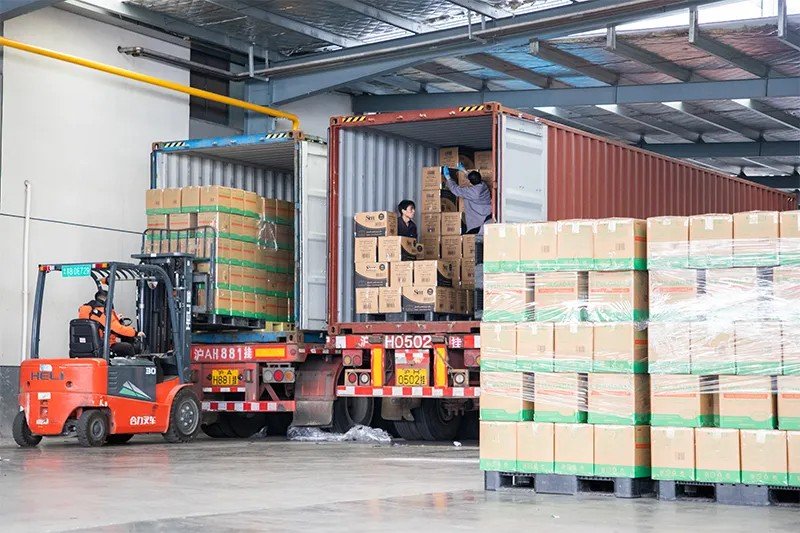
Most problems with imported food containers are decided long before production starts — in the specification sheet, or in what was missing from it. This guide to bagasse food containers wholesale sourcing is written for importers, distributors and foodservice wholesalers who buy moulded fibre containers in volume and need every shipment to match the last one. It covers the container types worth considering, and what to request from a factory before you ask for a quotation. It then works through lid fit and sealing checks, matching certifications to your destination market, and arranging quality control and reorders around a realistic production cycle.
Bagasse containers are moulded from sugarcane fibre, the fibrous residue left after sugarcane is crushed. The result is a rigid, compostable and biodegradable container that handles hot, wet and greasy food without a plastic lining. At Hebei Daoxiang Eco Tableware Technology Co., Ltd., our own factory in Hebei moulds 126 products across six collections. Food containers — trays, meal boxes and lidded boxes — make up a large share of what importers order from us.
Container Types: What Importers Actually Buy
Before requesting specifications, fix the format. “Food container” covers several distinct mouldings, and confusing them is the most common cause of mismatched quotations. Prices for bagasse food containers wholesale orders are only comparable when every factory quotes the same format.
Compartment trays. Flat or shallow trays divided into two, three or more sections. Meal delivery services and canteens use them to keep sauces, mains and sides apart. The specification questions are compartment count, depth per section, and whether the tray must accept a film seal or a separate lid.
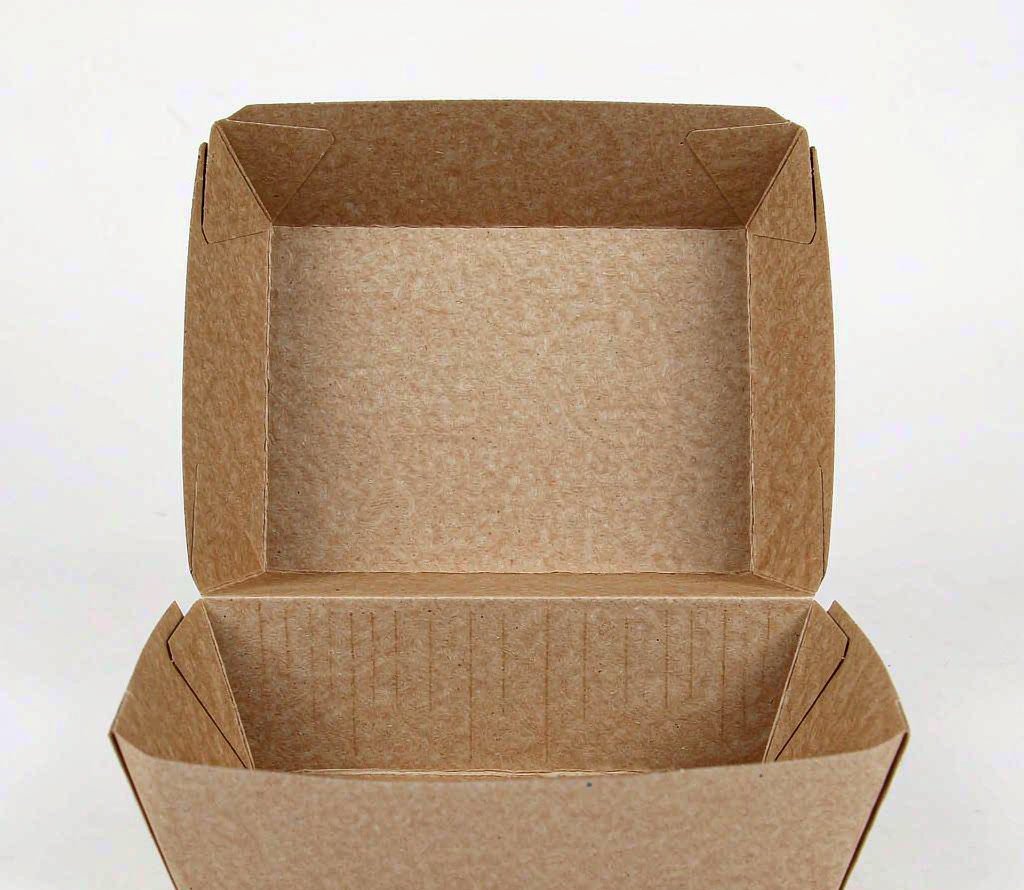
Meal boxes and clamshells. A base and lid moulded as one hinged piece, or a deep base sold with a matching lid. These are the workhorses for takeaway meals, salads and bakery items. Hinge strength and closing alignment matter more here than in any other format.
Lidded boxes and bowls with lids. A separate base and lid, bought and stocked as two SKUs. They stack well, present better for retail and grocery use, and let the buyer mix one lid across several bases if the rim dimensions match — a detail worth confirming in writing.
Flat trays and platters. Open trays for serving, display and catering. Simpler mouldings, but rigidity under load decides, so piece weight and wall design belong in the specification.
The full range is set out in our catalogue of six collections and 126 pieces. Fix your shortlist there, then request specifications per SKU rather than for “containers” in general.
Bagasse Food Containers Wholesale: The Specification Sheet to Request
A factory can only quote and produce against what you put in writing. Send one specification request per SKU, and insist on a written reply you can attach to the purchase order. If you are still comparing factories at this stage, our separate 12-point buyer checklist for evaluating an eco tableware manufacturer covers the company-level questions; the table below is the product-level list.
| Item to request | What to specify or ask | Why it matters |
|---|---|---|
| External dimensions | Length × width × height in mm, measured on the finished piece | Decides shelf fit, carton size and whether existing lids or sleeves match |
| Capacity | Brimful volume in ml for boxes and bowls | Prevents a “1,000 ml” box that only holds 1,000 ml to the very rim |
| Compartment layout | Number of sections and depth of each | Sauces migrate between shallow sections; depth is a functional spec |
| Piece weight | Grams per piece, with the tolerance the factory works to | Weight is the quickest incoming-QC proxy for wall thickness and rigidity |
| Lid type and pairing | Hinged, separate fibre lid, or film-sealed; which lid fits which base | A lid that fits three bases cuts your SKU count and stock cost |
| Lid closure | How the lid seats: friction fit, rim lock, or tab closure | Decides leak behaviour and how the box survives delivery handling |
| Surface and finish | Smoothness, any water- and oil-resistance treatment used | Affects grease holdout time and how the container photographs for retail |
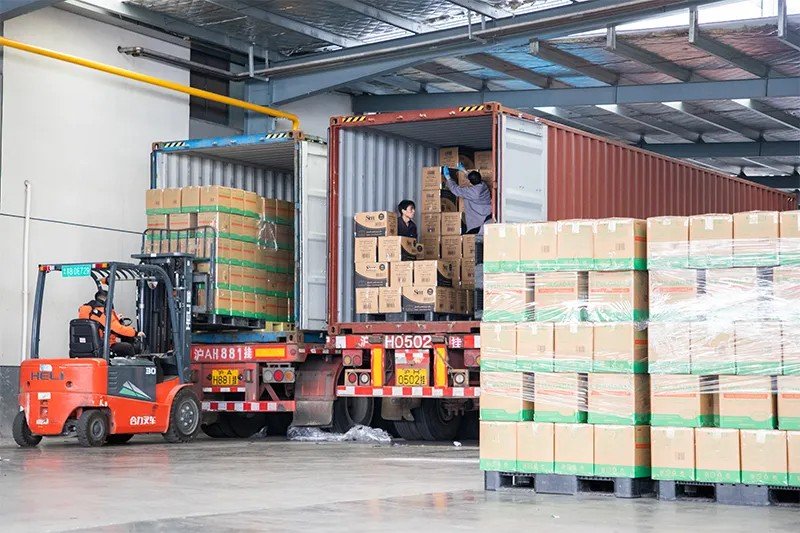
| Packing format | Pieces per inner pack, packs per carton, carton dimensions | Drives your warehousing and per-unit freight cost — get it before ordering |
| Printing and branding | Whether plain, printed or embossed supply is possible for the SKU | Branding options differ between stock moulds and custom shapes |
| Mould status | Whether the SKU is a stock mould or needs a custom mould | Stock moulds start at 5,000 pieces per SKU; custom shapes start at 20,000 |
Two points in that table deserve emphasis. First, piece weight: two containers can share identical dimensions and differ noticeably in stiffness because one is moulded lighter. Recording the agreed weight gives your warehouse a ten-second check on every delivery. Second, mould status changes the economics of the order. With stock moulds, wholesale orders start at a minimum of 5,000 pieces per SKU, which lets you trial several formats in one shipment. A shape of your own needs a custom mould and starts at 20,000 pieces, so it should follow — not precede — a successful stock-mould trial. The ordering mechanics behind these numbers are explained in our guide to MOQ, samples and lead times.
Lid Fit and Seal Checks for Bagasse Food Containers Wholesale Orders
More buyer complaints trace back to lids than to any other feature. Moulded fibre is not injection-moulded plastic: edges are softer, tolerances wider, and a lid that seats perfectly on a dry sample can behave differently after hot filling. Check these points on samples, before ordering:
- Seat and rock. Place the lid, press each corner in turn. It should seat evenly without rocking or lifting on the opposite side.
- Closure travel. Open and close a hinged box ten times. The hinge should not whiten, crack or lose its closing alignment.
- Hot-fill test. Fill with hot food or water at your real serving temperature, close the lid, and leave it for the longest realistic delivery time. Then check for softening, warping and lid lift.
- Leak path. Tilt a filled, closed container at the angle it will actually travel at. Note whether liquid escapes at the corners, the hinge or the rim — each points to a different fix.
- Stack load. Stack filled containers to the height your couriers or shelves require and check whether the lower lids deform and break the seal.
- Steam behaviour. Fibre breathes more than plastic. For fried food this keeps coating crisp; for soups it means condensation patterns differ. Test with your actual menu, not water alone. For a menu-by-menu assignment of formats, see our guide to compostable takeaway containers wholesale for European programmes.
Record the results against the sample batch and keep one approved sample set aside. That retained set becomes the reference standard for the shipment inspection described below.
Match the Certification to Your Destination Market
“Certified compostable” is not one document, and the file your customs broker or retail customer asks for depends on where the containers will be sold. Three names cover most destination markets:
- FDA requirements govern food-contact materials for the United States. Buyers selling into US foodservice are typically asked for evidence that the material complies with the relevant FDA food-contact rules.
- LFGB is the German food-contact framework (§§30–31 of the Lebensmittel- und Futtermittelgesetzbuch). It is widely treated as the reference standard across European markets. Buyers outside Germany often request it too, because of its strict migration limits.
- EN 13432 is the European standard for packaging recoverable through composting and biodegradation. It substantiates an industrial-compostability claim in the EU; it is about end-of-life behaviour, not food-contact safety, so it complements rather than replaces a food-contact file.
Our containers are covered by FDA, LFGB and EN 13432 documentation, and our factory operates under an ISO 9001 quality management system. Ask for reports per product group rather than one generic certificate, check the report is current, and confirm the tested item matches your SKU. Which document proves what is covered in our guide to eco tableware certifications, so we will not repeat it here.
Pre-Shipment QC: Arranging AQL Inspection Without Guesswork
A specification only protects you if the shipment is checked against it. For wholesale container orders, an AQL-based sampling inspection before shipment is the standard arrangement, agreed in writing before production — not negotiated when the goods are already packed.
Agree these points with the factory in advance:
- The sampling plan. Which recognised sampling standard will be used, at what inspection level, and what acceptance quality limits apply to critical, major and minor defects. Put the numbers in the purchase order.
- The defect list. Define your categories with the factory. Typical critical defects include foreign matter and mould damage; major defects include cracks, deformation, lid mismatch and leakage; minor defects include surface marks and slight colour variation. Your list, your menu, your call.
- The checks to perform. Count and weight sampling against the agreed piece weight, dimension checks on the sampled pieces, lid-fit and closure checks against the retained approved sample, and a filled leak test on a small number of units.
- Who inspects. Your own inspector, a third-party inspection company, or a documented factory inspection with dated photos and video shared before dispatch. Any of the three can work; what matters is that the method and reporting format are fixed in advance.
- The remedy. What happens on a failed inspection — rework, replacement production, re-inspection — and who bears which cost. Agreeing this calmly in advance is far easier than arguing it over a rejected shipment.
How an inspection day runs in practice, and what a buyer should expect to see, is set out in our tableware quality control and inspection guide. Read it once, then lift the parts that fit your operation into your purchase order terms.
Reorder Rhythm: Planning Around a 15–20 Day Production Cycle
Containers are a consumable: your customer reorder cycle, not the factory’s catalogue, sets your buying calendar. Our production lead time is 15–20 days from confirmed order. Build your reorder point backwards from your stock-out date: production time, plus the inspection window you agreed, plus transit and customs clearance on your route, plus a buffer for the delays every route eventually produces. When the sum reaches your reorder point, the purchase order should already be placed.
Two habits make this painless. First, keep the specification sheet and approved samples from the first order on file. A reorder then becomes a one-page instruction — same SKU, same specification, new quantity — rather than a fresh negotiation. Second, trial before you commit. Free samples leave our factory within three days. Working through the checks in our guide to testing tableware samples on those samples costs you days. Discovering a lid problem after a full shipment costs you a season. Treat the first order as a qualification exercise and every reorder as routine.
Frequently Asked Questions
What is the minimum order for bagasse food containers wholesale?
For stock moulds, the minimum is 5,000 pieces per SKU, which makes it practical to trial several container formats in one shipment. If you need a shape of your own, a custom mould is required and orders start at 20,000 pieces.
How do I know a lid will fit properly before ordering in bulk?
Order samples first — they are free and dispatched within three days — and run the fit, hot-fill, leak and stacking checks described above. Keep one approved set as your reference standard and name it in the purchase order, so the shipment inspection compares production goods against the samples you accepted.
Which certification do I need: FDA, LFGB or EN 13432?
It depends on the destination and the claim you want to make. FDA food-contact compliance is the US reference, LFGB is the German food-contact framework widely used across Europe, and EN 13432 substantiates industrial compostability in the EU. Many European buyers need a food-contact file and EN 13432 together. Ask for the reports for your specific SKUs before you commit.
How long does production take, and how should I time reorders?
Production takes 15–20 days from a confirmed order. To set your reorder point, add inspection time, transit and customs clearance for your route, plus a buffer, to that production window. Place the order when your remaining stock covers that total — not when the warehouse is nearly empty.
Can I inspect the goods before they ship?
Yes. Before production starts, agree an AQL sampling plan, a written defect classification and the inspection method: your inspector, a third-party company, or a documented factory inspection with photo and video evidence. Then write the arrangement into the purchase order.
Start with samples. A new bagasse food containers wholesale programme should start small. Tell us the formats on your shortlist, and we will send free samples within three days. Each sample set comes with the specification details from the checklist above, filled in for that SKU. Message us on WhatsApp at +86 18733012158, or send your specification list through our contact page for a quotation against it. Specify properly once, and every reorder after that is routine.