— BUYING GUIDES
Bagasse Cups Wholesale: Portion, Sauce and Tea Cups — A Buying Guide
10 November 2026 • Buying Guides • 5 min read
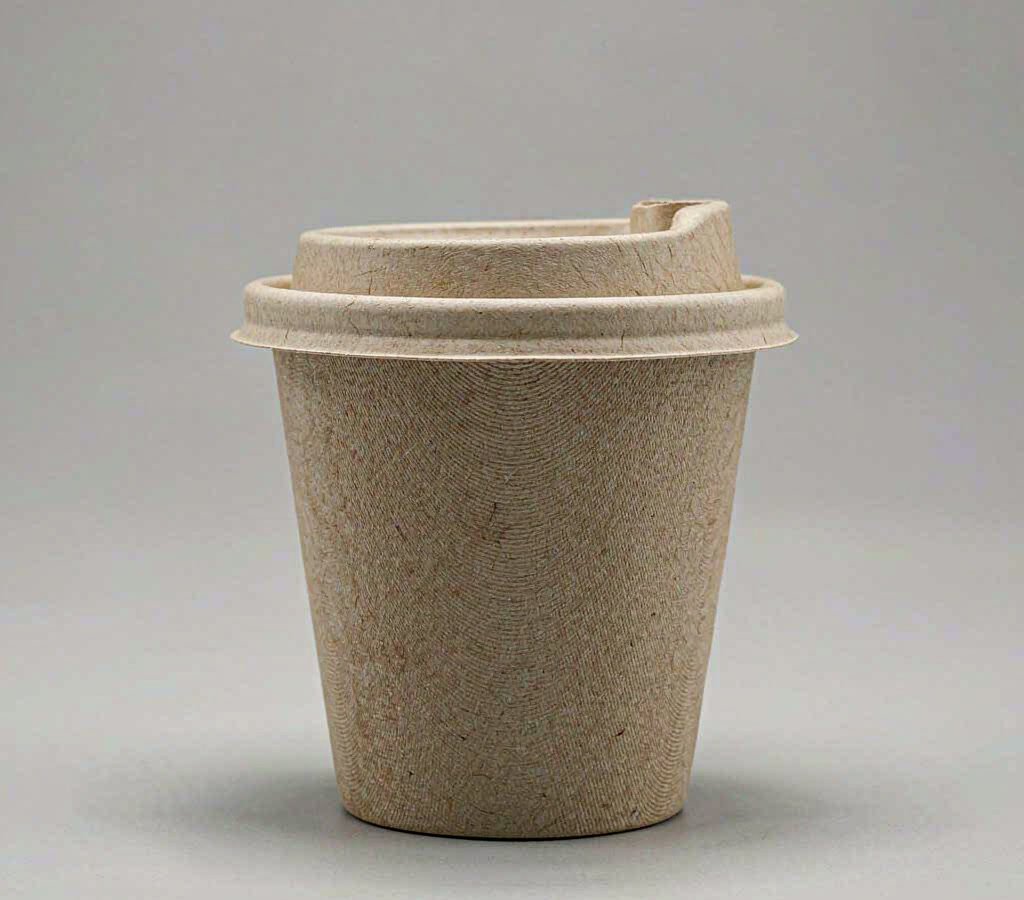
Small cups fail quietly. A sauce cup rarely cracks or collapses; instead it weeps oil into a delivery bag, loses its lid in transit, or arrives in a stack that will not separate one at a time. If you buy bagasse cups wholesale, judge behaviour, not appearance: how it holds oily liquid over a delivery window, how its lid fits, and how densely it nests. This guide covers capacity, lid fit, hold time, nesting, sample testing and ordering.
One scope note. In this guide, bagasse cups wholesale means portion, sauce and tea cups — small moulded-fibre formats for dips, sauces, tastings and tea service. They are not coffee cups or cold-drink cups.
Bagasse is the fibre left after sugarcane juice extraction, pressed into a rigid, compostable moulded shape. In small formats the wall is thin and contents sit against a high proportion of the surface — why hold time and lid fit matter more here than in larger items.
What buyers actually need from bagasse cups wholesale
Wholesale buyers usually approach small cups in one of three ways. Importers and distributors buy range: portion cups completing a programme of plates, bowls and trays. Foodservice wholesalers buy for resale to takeaway operators, so complaint rates — leaks, lost lids — matter more than any single specification. Chains buy for a defined menu, where one sauce cup carries most of the volume and must not vary between orders.
The route differs, but the criteria for bagasse cups wholesale are shared: lids that stay on in a moving bag, walls that hold oily sauces for the full delivery window, clean separation at service speed, and moulding consistency — because the approved sample becomes the reference against which production and reorders are checked.
Start with capacity: match the cup to what goes in it
Capacity is where most selection mistakes happen, because small cups look interchangeable and are not. Too small, and the lid sits in the sauce; too large, and a standard portion looks mean at a higher cost per serve. When comparing suppliers, think in the common capacity bands buyers typically source, not one factory’s catalogue.
| Use case | Common capacity band buyers look at | What to prioritise |
|---|---|---|
| Single-serve dips: soy sauce, chilli oil, ketchup | 1 oz band | Lid fit — small cups travel loose in bags; oil resistance |
| Standard sauces, dressings, gravies | 2 oz band | Versatility; wall strength with warm sauce |
| Larger dips and tastings | 3 oz band | Rim rigidity, spoon access, headroom |
| Small sides and dessert samples | 4 oz band | Rim rigidity, spoon access, presentation |
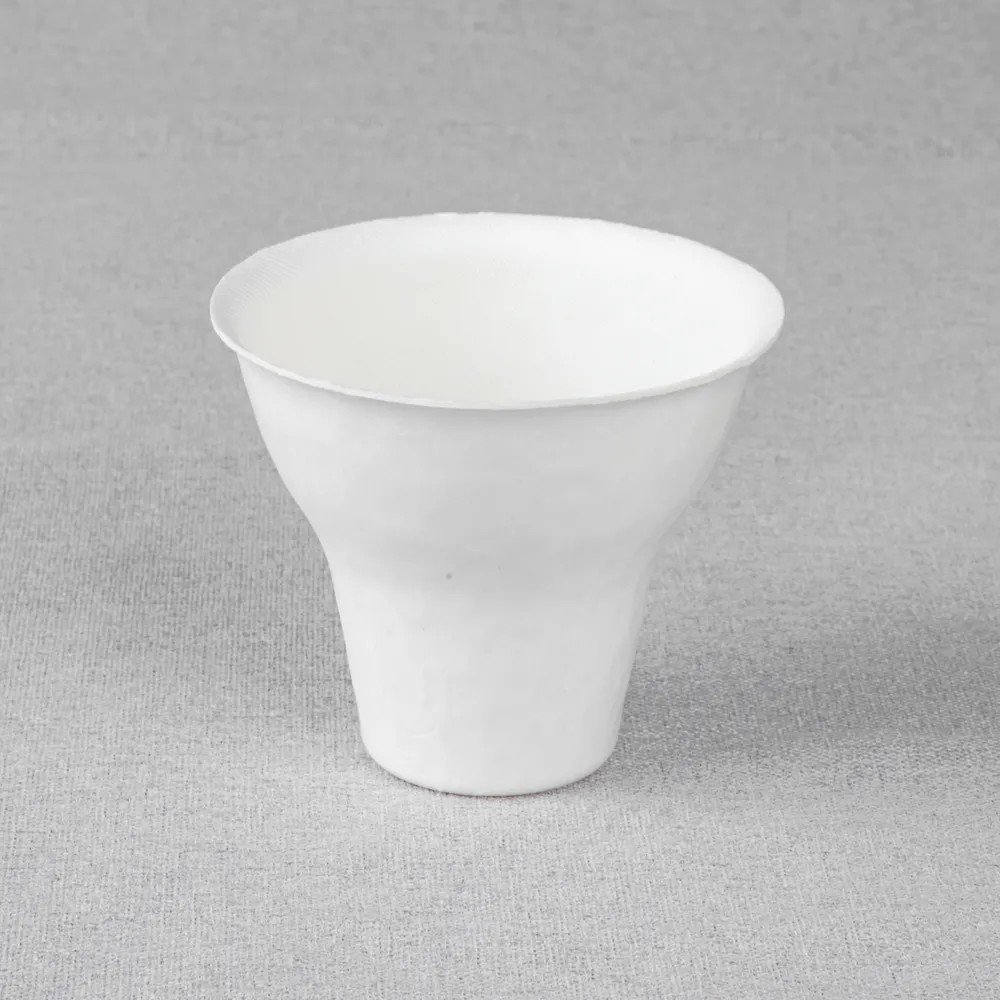
| Tea service, tea tastings, small hot samples | Small tea-cup formats | Comfort in hand when hot, smooth rim |
Two details matter more than the headline number. First, the 2 oz band is the workhorse of most programmes, covering the widest range of sauces and dips; many buyers standardise on it, adding a 1 oz for single-serve condiments and a 4 oz only where portions justify it.
Second, treat the ounce figure as nominal brim capacity, not a serving measure. Fill line matters more in small cups: a brim-filled cup leaves the lid sitting in the sauce, and in a 1–2 oz cup a few millimetres of headroom is a large share of the volume. When requesting samples, have staff fill them as they do in service, not to a measured line.
Tea cups follow a different logic — held in the hand, rim against the mouth — so judge heat comfort and rim smoothness with tea at serving temperature, not cold water.
Lids: the fit check that decides whether a small cup travels
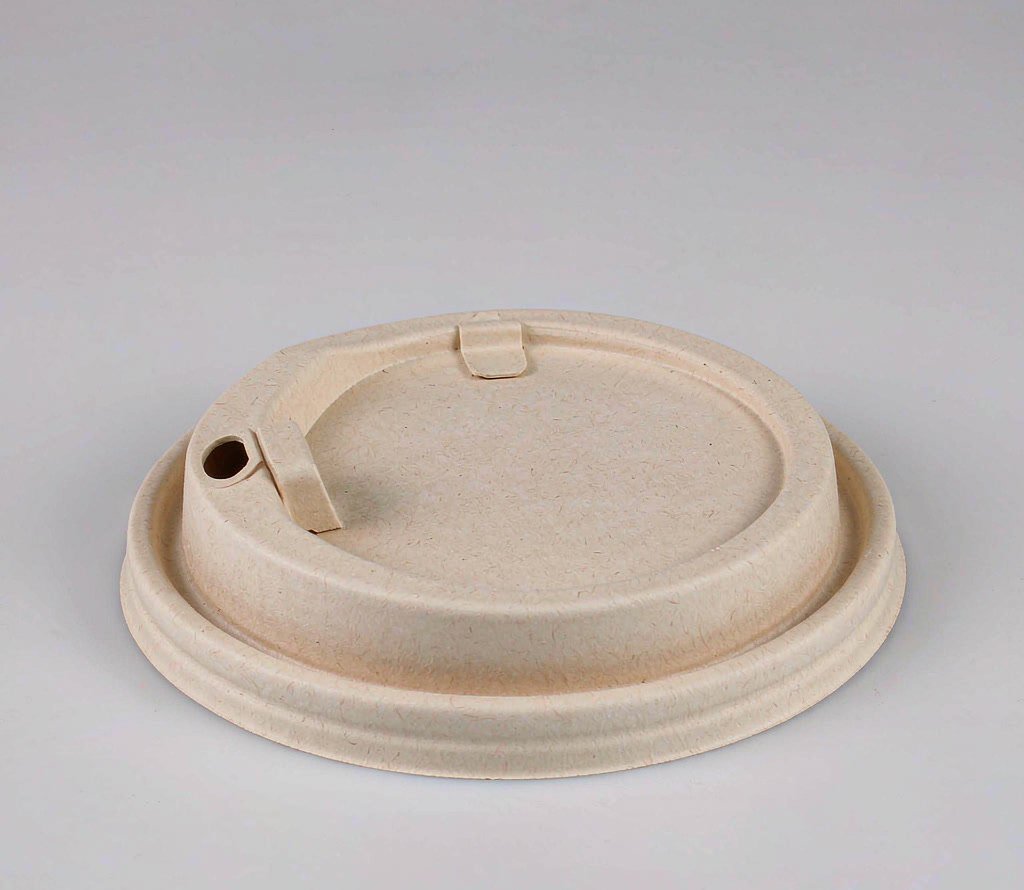
For takeaway and delivery, the lid is the most important quality check — more important than the cup itself. Small cups ride loose: dropped into bags alongside hot boxes, tipped, stacked and carried on scooters. A lid that merely rests on the rim will not survive. In the wider market, portion cups are paired with moulded-fibre lids from the same material family or clear plastic lids where visibility matters. Treat those as alternative pairings, not interchangeable parts: whichever you shortlist, fit is testable. Run these checks on samples:
- Seating: the lid should sit evenly all the way round with no rocking. Press gently at opposite points; if one side lifts, the pairing will open in a bag.
- Rim contact: run a finger around the join, feeling for a continuous contact line rather than gaps where the lid bridges a low spot.
- Squeeze test: small cups get squeezed when bags are packed and carried. Fill to your working fill line, lid, and squeeze the body gently. A good pairing flexes and keeps its seal; a poor one pops the lid or weeps.
- Bag test: put lidded, filled cups in a delivery bag with a hot food box and carry it for ten minutes. Cups rarely fail standing still; they fail in motion.
- Re-fit after heat: steam changes fibre slightly. Lid a cup of hot sauce, wait ten minutes, then remove and refit — it should still seat cleanly, as a customer at home will do.
One specification point matters: cup and lid are a matched pair from the same mould set. Reject a pairing that only passes on a bench but fails after heat or movement — a dry, room-temperature fit is not enough evidence. If you change supplier or size, re-run the fit checks; most lid complaints trace back to a pairing never tested as a pair.
Oil, moisture and hold time: small cup, concentrated contents
What goes into portion cups is harder on fibre than what goes into plates and bowls. Sauces and dips are concentrated: high oil content, often acidic — vinegar dressings, tomato sauces, chilli oils — and frequently packed warm.
The volume is small, so a large share of it touches the wall and base. A sauce cup can therefore show oil strike-through — a dark shadow reaching the outside wall or base — sooner than a larger item holding a milder food.
The governing variable is hold time: the period between filling and eating. For dine-in that may be minutes; for delivery it is the full route plus waiting at both ends, spent warm and sealed. So test at your real hold time, not serving time: fill samples with your oiliest, most acidic sauces, warm and lidded, hold them for your longest realistic delivery window, then check wall and base — and pick the cup up, because softening shows in the hand first. Chilled dips add one check: condensation works on the fibre from outside, so if cups will be filled ahead and refrigerated, refrigerate filled samples overnight and inspect the base.
Nesting and stacking: where small cups make or lose money
In bagasse cups wholesale, portion cups are bought and shipped in large numbers, so their economics are decided by how they nest. Moulded cups stack inside each other on a taper, so small differences in taper or rim design change how many fit in a carton — and how much of what you ship is air. When comparing offers, ask for pieces per carton and carton dimensions and use them to calculate freight cost per cup alongside the quotation: two otherwise similar offers can differ meaningfully once carton density is included.
Nesting has a second face at the customer’s site: denesting. Nested too tightly, cups arrive as a solid column staff have to work apart — and two served as one is a portion-cost problem; too loosely, they waste carton space. The check is simple: separate fifty cups from a fresh stack at service speed, counting doubles and jams — then repeat with a stack stored under weight, because nesting tightens in storage.
Stacking matters after filling too: check that a filled, lidded cup carries two or three above it without the lid shifting or the lower cup deforming. Our bagasse trays wholesale guide applies the same stack-pressure logic to flat formats.
Test samples like a buyer, not a browser
Small-cup sourcing is often won or lost at the sample stage, and a look-and-feel inspection is not enough — small cups pass a visual check almost by default. Test with your own contents:
- Oil dwell test: fill with your oiliest sauce at serving temperature, lid, and leave for your full delivery window on white card. An oil shadow on the wall, or a damp ring under the base, shows where the wall is weak. Record the sauce, temperature, fill level and elapsed time with the result.
- Lid-under-load test: combine the fit checks above with movement — lidded, bagged with hot food, carried, set down hard — then check the seal line.
- Denesting test: separate fifty cups from a stored stack at service speed and count doubles and jams, as described above.
- Hand test for tea cups: fill with tea at serving temperature and hold as a customer would; check heat comfort and rim finish, then repeat after your longest holding time.
- Repeat across the set: test several cups from the batch, not one hero piece. Consistency reveals mould condition and process control — what you are really buying.
Write results down per size: that sheet becomes your specification when you order, and your reference if a shipment is disputed.
Ordering bagasse cups wholesale: MOQs, samples and lead times
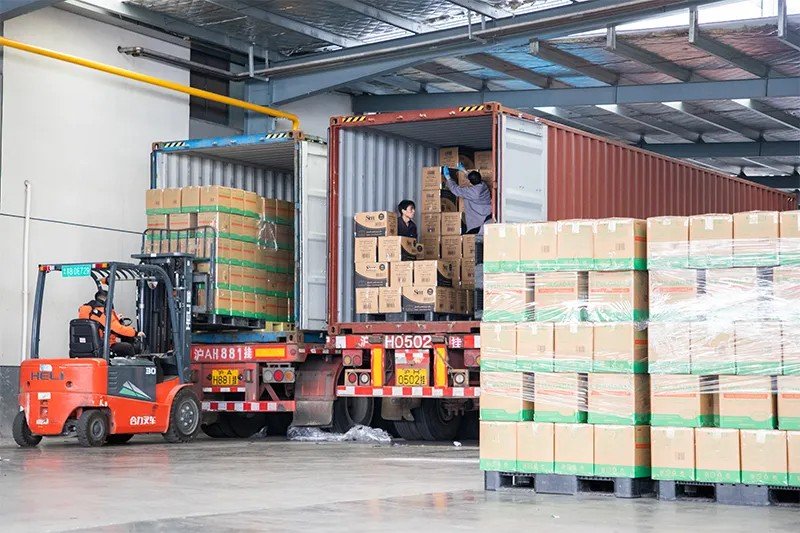
Once the shortlist is set, the commercial path is straightforward. Hebei Daoxiang Eco Tableware Technology Co., Ltd. operates its own moulding factory in Hebei, China. The cups covered here form part of a range of 126 products across six collections — browse the full product range. Stock-mould items carry a minimum order of 5,000 pieces per SKU; custom shapes start from 20,000 pieces. Samples are free and dispatched within 3 days, and production lead time is 15–20 days.
Cups are often ordered with the bowls, trays and plates they are served alongside, so the set matches in material and can be planned as one shipment. Sample cups together with the matching items — our guides to bagasse bowls wholesale and bagasse trays wholesale use the same testing approach, so one sample round can qualify the set. Start with the size that carries the most volume, then qualify adjacent sizes against the same test sheet.
Align the compliance file with the order, not after it: in our case FDA and LFGB food-contact compliance, EN 13432 compostability certification and an ISO 9001 quality system. Check certificates against the specific cups you are buying. Where your market requires documentation on a specific substance, request the test report for the exact SKU rather than a range-level statement. Keep your approved samples and test sheet so reorders become verification, not a fresh selection.
Frequently asked questions about bagasse cups wholesale
Which cup size should a new buyer sample first?
Start from your menu, not a catalogue. For most takeaway and delivery programmes, sample the 2 oz band first; add the neighbouring size only where the menu needs it — 1 oz for single-serve condiments, 3–4 oz for larger dips or sides. Most ranges settle on two or three cup SKUs. Sample tea cups separately, because the criteria differ.
Do fibre lids stay on small cups during delivery?
They work by close rim fit rather than a snap or film seal, and a fit-tested pairing handles normal takeaway and delivery well. What they are not is a liquid-tight closure for turning a filled cup upside down — the squeeze and bag tests above show whether a pairing suits your distances.
How long can a bagasse cup hold an oily sauce before it shows through?
It depends on the sauce, its temperature and the cup wall, which is why hold-time testing with your own products matters more than any general figure. In normal service — filled, delivered and eaten within the usual window — a well-matched moulded bagasse cup should hold ordinary sauces without strike-through. Long routes or hot holding should be tested at the longest realistic window, as in the oil dwell test above.
Are these cups suitable for coffee or other hot drinks?
No. The cups covered here are portion, sauce and tea cups — small formats for dips, sauces, tastings and tea service. They are not beverage cups and should not be specified for coffee or cold-drink service; drinks are a separate category to source on its own criteria.
What should I check on certificates and test reports for bagasse cups wholesale?
Check that the documents name the material and product type you are buying, that the standards match your market — FDA and LFGB for food contact, EN 13432 if you will make compostability claims in Europe — and that certificates are current. Where your market asks about a specific substance, request the test report covering the exact SKU ordered; documentation for another product in the same material is not documentation for your cups.
Send your menu items and current sizes through our contact page to request a quotation and sample plan. Samples are free and dispatched within 3 days. Once they arrive, run the lid-fit, oil dwell and denesting tests in this guide before committing to a production order of bagasse cups wholesale.