— BUYING GUIDES
Does the UK Plastic Packaging Tax Apply to Bagasse Tableware? An Importer’s Guide
November 2026
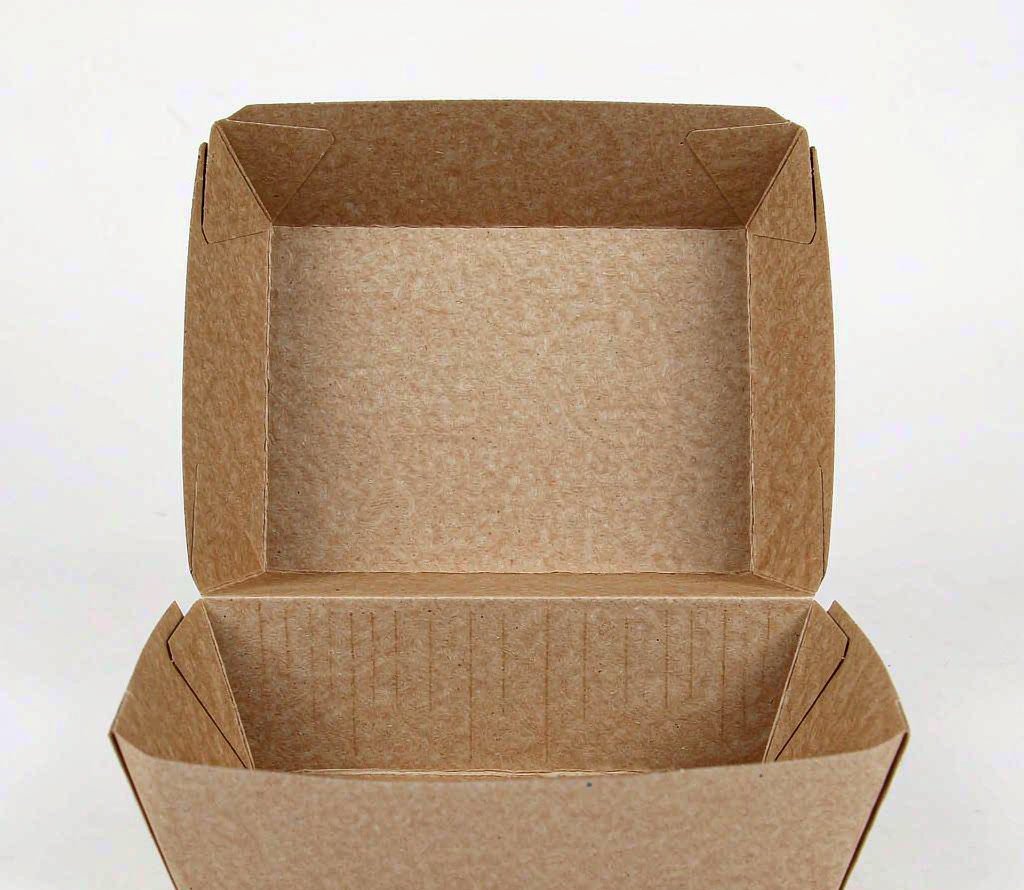
For plain bagasse tableware, the short answer to the UK plastic packaging tax question is usually no. The tax targets plastic packaging, and a plate or clamshell moulded from plain sugarcane fibre is not plastic. The answer changes the moment a product contains a plastic component. A PLA cup, a plastic-coated board or a plastic lid can all fall inside the UK plastic packaging tax, even when the range is sold as compostable. That is the general position — confirm against current HMRC guidance or your tax adviser for your exact products. This guide explains where the line sits, and which records settle it per SKU.
We write this from the factory side. Hebei Daoxiang Eco Tableware Technology Co., Ltd. runs its own moulding plant in Hebei, China. We produce sugarcane bagasse plant-fibre moulded tableware, with 126 items across six collections. UK importers ask us the tax question more often than any other UK question. The honest factory answer is always the same: the material composition of each item decides, not the marketing label on the carton.
What the UK plastic packaging tax taxes, in plain terms
The UK plastic packaging tax is a tax on plastic packaging components. It is charged on packaging that is manufactured in the UK or imported into the UK. The word that does the work in that sentence is “plastic”. A packaging item only enters the picture if it is plastic, or contains plastic as a component.
Three consequences follow for a tableware importer. First, the tax looks at components, not at whole product ranges. One order can contain items inside the tax and items outside it. Second, the tax follows the material, not the claim printed beside it. Words such as “compostable”, “biodegradable” and “plant-based” do not decide the answer.
Third, the paperwork sits mainly with the UK side of the transaction. The business that manufactures or imports the packaging into the UK generally carries the record-keeping and any payment duty. An overseas factory can supply composition facts, but it cannot settle a UK importer’s position.
Whether a plastic component also involves recycled content can form part of the assessment for plastic items. That detail only matters once an item is plastic in the first place. For a fibre importer, the first and most useful question stays simple. Which of my SKUs actually contain plastic, and can I prove the answer item by item? The rest of this guide is about answering that question well, because it is where the UK plastic packaging tax is won or lost in practice.
What counts as plastic, and what generally does not
HMRC’s approach starts from what a material is, not from how green it sounds. Plastic includes materials made from petrochemical feedstocks. It also includes bioplastics that behave as plastics, even when they come from plants. Compostable plastics sit inside that second group. A plastic does not stop being plastic because it breaks down under composting conditions.
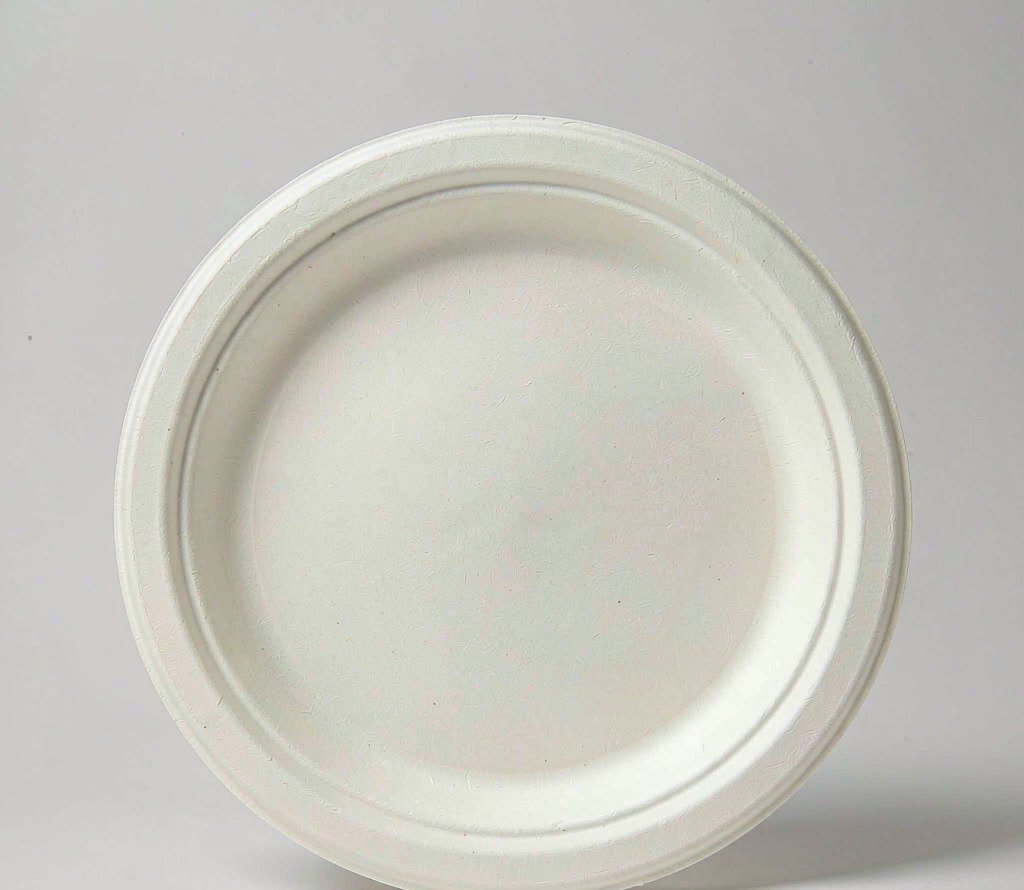
Plain moulded fibre is different in kind. Bagasse tableware is made by pulping sugarcane fibre, then pressing it in a heated mould. No plastic resin is formed or needed in that process. The finished plate is a fibre article, closer in material terms to moulded paper pulp than to any plastic. That is why plain bagasse plates, bowls, trays and clamshells generally sit outside the UK plastic packaging tax.
| Product or component | Material | General position |
|---|---|---|
| Plates, bowls and clamshells moulded from plain bagasse | Sugarcane plant fibre, moulded | Generally not plastic |
| Cup lids moulded from plain bagasse fibre | Sugarcane plant fibre, moulded | Generally not plastic |
| PLA cups, lids and containers | PLA bioplastic | Counts as plastic |
| CPLA items and PLA-lined products | Compostable plastic | Counts as plastic |
| Fibre tray supplied with a separate plastic lid or film | Mixed components | Fibre part generally not plastic; plastic part counts |
| Plastic-coated or plastic-laminated fibre board | Fibre with a plastic layer | The plastic layer is a plastic component |
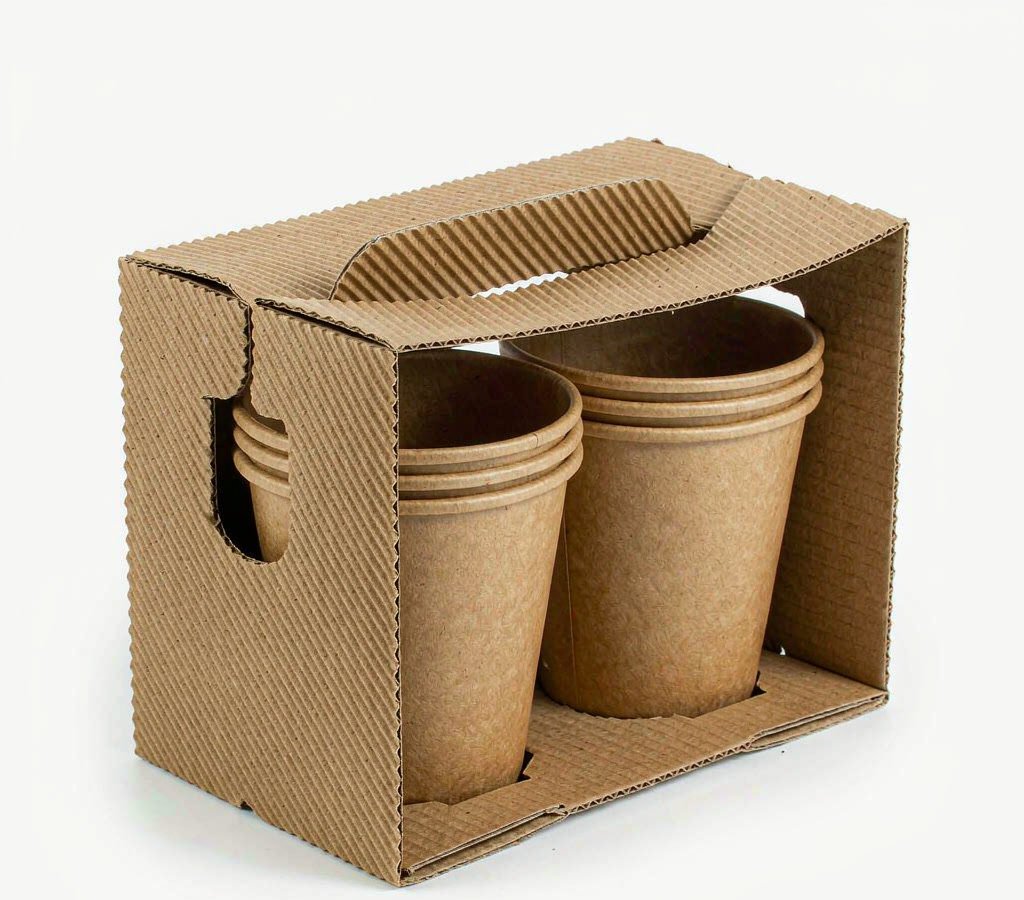
| Paper cutlery and plain paper wraps | Paper | Generally not plastic |
| PP or PET cups, lids and wrapping film | Conventional plastic | Counts as plastic |
Read the table as a starting map, not as a ruling on your range. Two products with the same shelf name can sit in different rows. A “fibre lid” from one supplier may be plain moulded fibre. The same description from another supplier may hide a plastic coating. The UK plastic packaging tax position follows the second product’s real composition, not the shared name.
Certification does not move an item between rows either. Our own tableware is certified to FDA and LFGB food-contact requirements and to EN 13432, with production under ISO 9001. An EN 13432 compostability certificate tells you how a product breaks down. It does not tell HMRC, or you, whether the product is plastic. Keep those two questions in separate files from the start.
The mixed-product problem: coatings, lids and sets
Most import problems we hear about involve mixed products, not pure ones. Pure bagasse is a simple case. Pure plastic is a simple case. The difficult SKUs are the ones in between, where fibre and plastic meet inside a single sale unit.
Coatings and linings
A fibre container with a plastic lining is not a fibre-only product. The lining is a plastic component in its own right, even when it is thin. Buyers often miss this because the plastic is invisible in a product photo. Ask directly whether any coating, lining or lamination is plastic-based. Ask what any treatment is actually made of, not just how it is applied. The material of that layer decides the tax treatment.
Lids, films and wraps
Tableware is often sold as a serving set rather than a single article. A bagasse tray may ship with a clear plastic lid. A bowl may be sealed with plastic film. Each added piece is its own component for assessment. The fibre body can sit outside the UK plastic packaging tax while the lid or film sits inside it. Check the full sale unit, exactly as your customer will receive it.
Wrapped sets and kits
Cutlery kits and catering sets add one more layer. Our own cutlery, for example, is paper cutlery, including individually wrapped sets. The wrap around a set is itself a packaging component, and its material needs stating like any other. Do not assume a kit inherits the material status of the items inside it. List the contents and the wrapping separately, every time.
What to document per SKU for the UK plastic packaging tax
The durable habit behind this whole subject is a composition file per SKU. Tax guidance changes, suppliers change, and product specs change. A clean per-SKU record survives all three. It is also the file your adviser will ask for first.
For each SKU you import, record the following in one place.
- A composition statement in plain material terms, such as “moulded sugarcane bagasse fibre, no plastic component”.
- A component breakdown for multi-part items, listing body, lid, coating and wrap separately.
- The material of every added piece, including films, windows, linings and laminations.
- How much of the item is plastic, by component, where any plastic is present.
- The supplier and spec version behind the statement, plus the date you received it.
- Matching SKU codes across the composition file, the invoice and the packing list.
Ask us for the documentation for the specific items you plan to import, and ask the same of every supplier. A supplier who sells plain moulded fibre should be able to say so in writing, in one sentence. Vague answers such as “eco material” or “plant-based” are not composition statements. If a supplier cannot state the material, treat the SKU as unconfirmed until they can.
Keep the file alive after the first order. A composition statement covers the spec it was written for. If the supplier changes a coating, a lid material or a wrap, the statement no longer covers the product. Recheck the file whenever you add a SKU, change a supplier or accept a spec change. That routine, repeated calmly, is worth more than any one-off ruling. It turns the UK plastic packaging tax from a surprise into a checklist you already hold.
How the UK plastic packaging tax differs from EU packaging rules
Many of our buyers sell into both the UK and the EU, and the two rulebooks are easy to confuse. They are separate systems, run by different authorities, asking different questions. The UK plastic packaging tax is a UK fiscal measure focused on plastic packaging components. EU packaging rules focus more on packaging design, recyclability and producer responsibility.
Our guide to the EU PPWR for tableware buyers covers the European side in detail. The practical point here is simpler. Passing an EU check does not settle your UK position, and sitting outside the UK plastic packaging tax does not clear your EU duties. A fibre range may need composition evidence for both markets, for different reasons. Build one composition file per SKU and let each market draw what it needs from it. That is cheaper than rebuilding the evidence twice.
Building the answer into your cost and supplier checks
Tax status belongs in your landed-cost work from the first quotation, not after the goods land. Where a plastic component does fall inside the UK plastic packaging tax, that cost belongs in the same calculation as product price and freight. Where a range is plain fibre throughout, the simpler position is itself a costing advantage worth recording. Check the current position with your adviser when you model it, and keep the figure work on their side of the table.
Our guide to what eco tableware costs shows how the other landed-cost lines fit together. Two supplier checks protect that calculation. First, compare quotations on composition as well as price. A cheaper quote built on a plastic-lined product is not the same product as a plain fibre quote. Second, never let a supplier’s assurance replace the written statement. “Tax-free material” is a sales phrase, not evidence. The composition file is the evidence, and it is the habit this article most wants you to keep.
FAQ: UK plastic packaging tax
Does the UK plastic packaging tax apply to bagasse tableware?
For plain moulded bagasse, the general position is no. The product is plant fibre, not plastic. The answer can change if an item includes a plastic component, such as a lining or a plastic lid. Confirm your exact products against current HMRC guidance or with your tax adviser.
Is PLA treated as plastic under the UK plastic packaging tax?
Yes, in general terms. PLA is a bioplastic, and compostable plastics count as plastic for this tax. Its plant origin and its compostability do not take it outside the definition. Treat PLA cups, lids and CPLA items as plastic components in your records.
What about fibre tableware with a plastic coating or lid?
Assess it component by component. The fibre body generally sits outside the tax. The plastic coating, lining or lid is a plastic component in its own right. Record both parts separately in your per-SKU composition file, rather than labelling the whole product one way.
Who deals with the tax, the UK importer or the overseas factory?
Generally, the UK side. The business that manufactures or imports the packaging into the UK carries the main duties and records. Your factory’s role is to supply accurate composition facts per SKU. Ask us for the documentation for the specific items you plan to import.
What composition documents should I keep for each SKU?
Keep a written composition statement, a component breakdown and the matching SKU codes from your invoices. Add the supplier name, spec version and date. Update the file whenever a material, coating or supplier changes. That single file answers most adviser and HMRC questions about your range.
Start with samples, not a container. If you are building a UK range, send us your target SKU list. We will dispatch free samples within 3 days, and you can check each item’s composition against your UK plastic packaging tax file before you commit. Reach us on WhatsApp +86 18733012158 or through our contact page. Production runs 15–20 days after order confirmation, with a minimum of 5,000 pieces per SKU from existing moulds. Hebei Daoxiang Eco Tableware Technology Co., Ltd.