— BUYING GUIDES
Importing Tableware into Germany: LUCID Registration, Dual-System Duties and the Data You Need from Your Supplier
November 2026
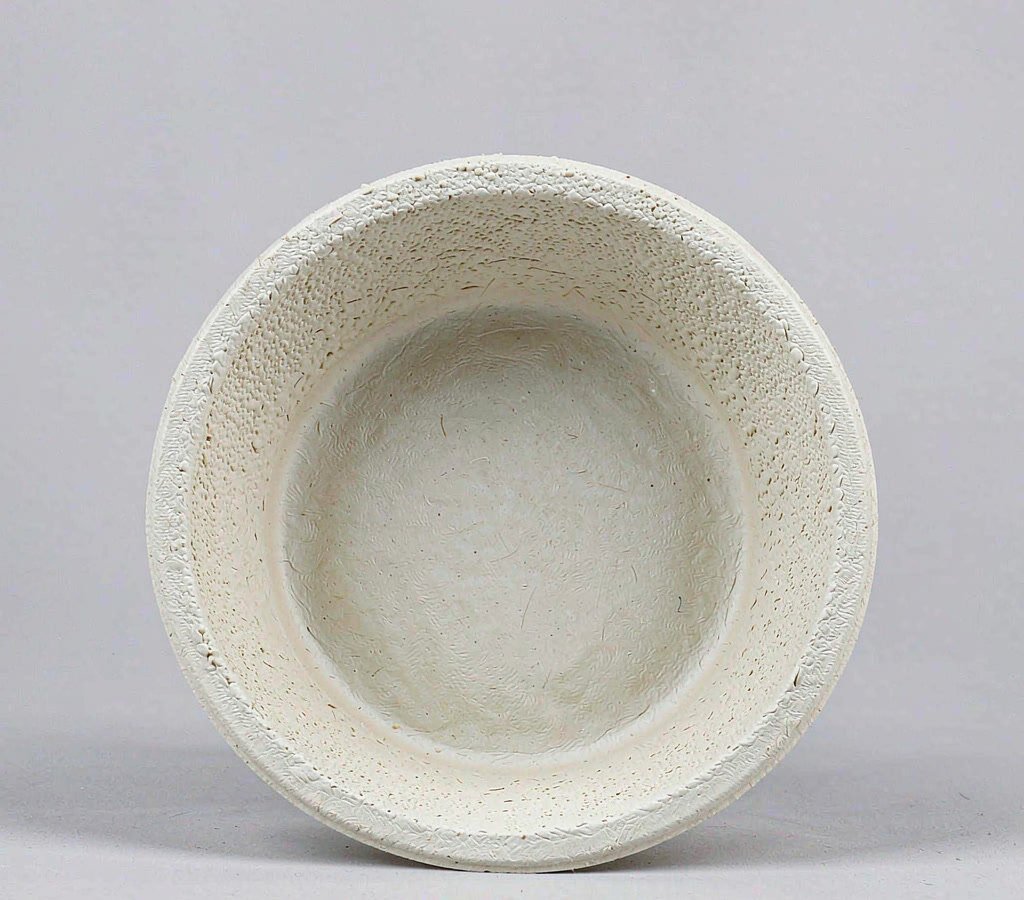
If you import bagasse tableware into Germany, the Germany packaging EPR LUCID duties sit with you, not with your Chinese supplier. You register the packaging, license it through a dual system and report the volumes you place on the market. None of that works without packaging data from your factory. This guide explains the three duties in plain terms. It then lists, field by field, the supplier data your Germany packaging EPR LUCID filing depends on.
We write this from the factory side. Hebei Daoxiang Eco Tableware Technology Co., Ltd. runs its own moulding plant in Hebei, China. We produce sugarcane bagasse plant-fibre moulded tableware, with 126 items across six collections. German importers regularly ask us for packaging data alongside the usual document pack. This article shows what they ask for, why each field matters, and how to ask so the data actually arrives.
Germany packaging EPR LUCID duties sit with the importer
German packaging law works on extended producer responsibility, usually shortened to EPR. The “producer” in this system is not only the factory that made the goods. It is the party that first places packaged goods on the German market. For tableware imported from China, that party is normally the importer.
Three situations cover most of our buyers. If you import under your own name and sell onward, you are the obligated party. If a German distributor imports the goods itself, the duty normally sits with that distributor. If the packs carry your brand, expect the duty to point at you, even when someone else ships the goods. Agree in writing who registers before the first order ships, because both parties often assume the other one did it. Treat that agreement as the first document in your Germany packaging EPR LUCID file.
Your Chinese factory cannot carry this duty for you. We have no LUCID account for your goods, and our export documents do not register anything in Germany. What a supplier can do is provide complete, accurate packaging data, on time. That data role is the subject of most of this article.
The rules sit in the German packaging law (now the VerpackDG), which succeeded the VerpackG as Germany aligns its rules with the EU Packaging and Packaging Waste Regulation. Our guide to the PPWR for tableware buyers explains that wider EU framework. This article stays on the German importer duties and the supplier data behind them.
The three duties: registration, dual system and reporting
Germany packaging EPR LUCID compliance breaks into three linked duties. Registration identifies you. System participation pays for household packaging collection and recycling. Reporting proves the two match. Each duty uses the same underlying numbers, which is why supplier data matters so much.
Register your packaging in LUCID
LUCID is the public packaging register run by the Zentrale Stelle Verpackungsregister, the central agency for packaging registration. You register your company and the brands under which you place packaged goods on the market. Registration comes before your first sale of packaged goods in Germany, not after it. Partners, marketplaces and customers may ask for your registration details as proof that the duty is covered. Keep the registered company and brand details identical to the names on your packs and invoices. Everything else in your Germany packaging EPR LUCID process builds on this registration.
License sales packaging through a dual system
Sales packaging that ends up with private end consumers must be licensed through a dual system operator. You sign a contract with one operator and declare the packaging you expect to place on the market. The declaration is split by material and weight, because collection and recycling are organised that way. Your licensed volumes are only as good as the per-SKU weights behind them. Guessed weights produce a guessed licence, and the error is yours, not the operator’s.
Report the same quantities in both places
The quantities you report to your dual system and the quantities you report in LUCID must agree. In practice, importers report volumes during the year and confirm final volumes after it. Check the current reporting schedule with your operator before your first shipment, and work from one data set for both reports. Larger importers may also need an audited completeness declaration. Check whether that requirement applies to your volumes, and allow time for the audit if it does. One consistent Germany packaging EPR LUCID data set, used everywhere, is the whole secret here.
Which packaging layers you are reporting
Importers new to EPR often think only of the retail pack. German packaging rules look at every layer you place on the market. Each layer needs its own data, and layers are not all treated the same way.
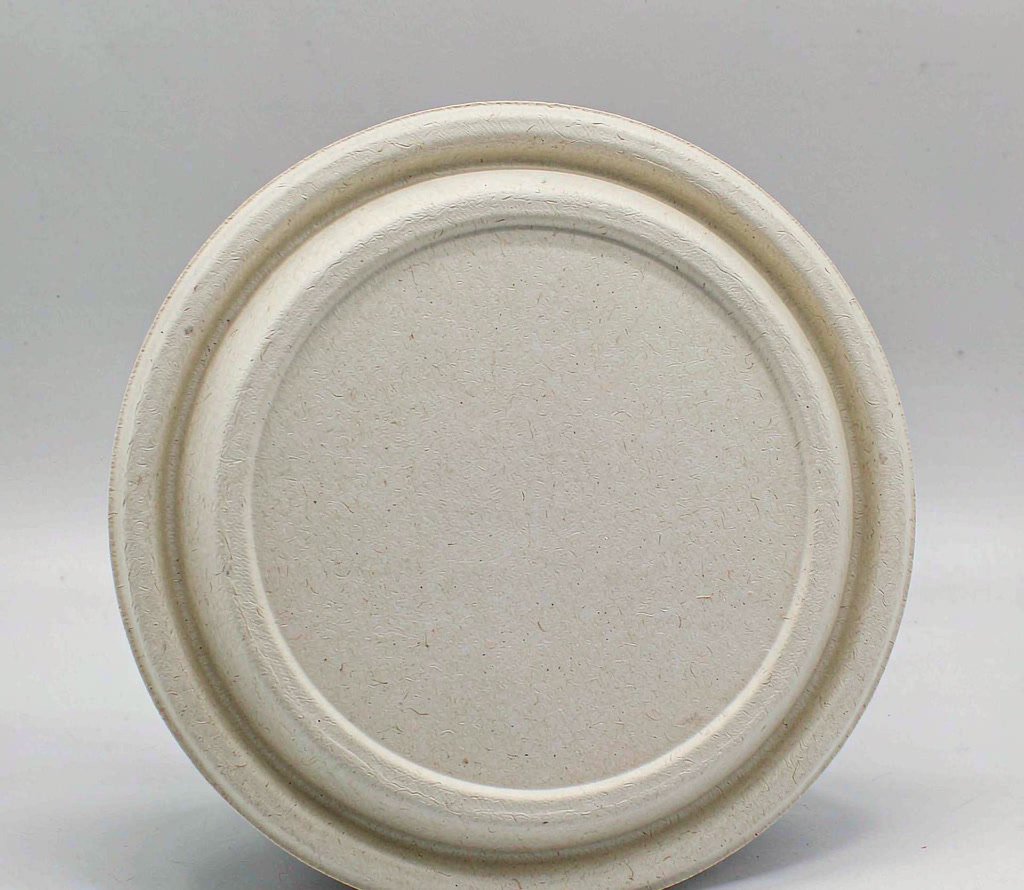
Sales packaging is the layer the end customer handles. For tableware, that means retail boxes, printed sleeves and the inner film around the unit. Grouped packaging bundles several sales units together, such as film around a stack of retail packs. Transport packaging never reaches the consumer. Outer cartons, carton dividers and pallet wrap sit in this group, and they carry their own take-back and documentation duties. Check how the current rules treat each layer you use, because the route differs by layer. A complete Germany packaging EPR LUCID data set therefore covers all three layers.
Bagasse tableware makes this concrete. One bowl SKU might ship in a printed retail box for supermarkets and in a plain bulk carton for foodservice. Those are two different packaging data sets for one product. Your Germany packaging EPR LUCID volumes change with the pack format, not just with the product. This is why the data request in the next section runs per SKU and per pack format.
Keep EPR separate from product compliance. A bowl can be fully certified as a product and still sit inside unregistered packaging. Our tableware is certified to FDA and LFGB food-contact requirements and to EN 13432, with production under ISO 9001. Our certifications overview explains what those product certifications cover. None of them covers packaging EPR, which is a separate registration about the packaging itself.
The supplier data checklist for Germany packaging EPR LUCID reporting
Everything above reduces to one practical task: getting the right data out of your supplier. Ask for the fields in this table for every SKU and every pack format you import. The weights below are data fields to request, stated per packaging layer. Keep the returned sheet as the source document for your registration, your licence and your reports.
| Data field | What to request | Why your filing needs it |
|---|---|---|
| Packaging layers per SKU | A list of every layer: retail pack, inner wrap, grouped film, outer carton, pallet wrap | Each layer is reported under its own category and material |
| Material of each layer | Paper or cardboard, plastic film, composite or other material, stated plainly per layer | Dual systems license packaging by material, not by product |
| Weight of each layer | The net packaging weight per sales unit, layer by layer, in a consistent unit | Your licensed and reported volumes are built from these weights |
| Units per pack and carton | Pieces per retail pack, packs per carton and cartons per pallet | Converts unit weights into the annual volumes you place on the market |
| Carton specifications | Carton material, dimensions and the empty weight of one carton | Transport packaging needs its own data set, separate from sales packaging |
| Brand and pack ownership | Whose brand the pack carries, and who supplies the printed packaging | Branding helps decide who counts as the obligated party |
| Packaging change notice | Written notice whenever a film, pack, carton or pallet pattern changes | A silent change quietly makes your existing filing wrong |
Two habits make this table work. First, request the data in writing, in a spreadsheet you control, not in chat messages and photos. Second, verify a sample of it yourself. Weigh the retail packs and an empty carton from your sample cartons on a simple scale. Small differences per unit become large differences across a year of imports. If the supplier’s sheet and your scale disagree, settle the difference before you file anything. That returned sheet becomes the working core of your Germany packaging EPR LUCID reporting.

How to request the data so you actually receive it
Timing decides whether this is easy or painful. Ask for the packaging data at quotation stage, alongside prices and samples. Make the Germany packaging EPR LUCID data request part of the enquiry itself, not an afterthought. A factory can weigh packs and cartons while your samples are being prepared. Asking after production, when cartons are sealed and shipped, turns a simple weighing job into archaeology.
Send one spreadsheet per order, listing every SKU and pack format as its own row. Name the fields exactly as your dual system operator asks for them. Give the factory one named contact for questions, and answer quickly when they ask which layer a film belongs to. Then write the change-notice duty into your order terms. Your Germany packaging EPR LUCID file stays current only if packaging changes reach you before the goods do.
Keep versions, not just files. Save the data sheet with each order confirmation, dated and tied to the SKU list it describes. When a pack changes next season, you can show exactly which filing the old data supported. Auditors and operators both prefer a boring paper trail over a confident memory. Ask us for the documentation for the specific items you plan to import, and tell us the data fields your filing needs.
Mistakes that leave importers exposed
The failures we hear about from buyers are rarely exotic. They are small administrative gaps that repeat on every shipment until someone checks.
- Registering late. Registration is a precondition for selling packaged goods in Germany, not paperwork for afterwards.
- Assuming the supplier handled it. A Chinese factory cannot register your German packaging duty for you.
- Estimating weights. Weights copied from a catalogue photo or a similar product are not filing data.
- Forgetting your own brand. Private-label packs usually make the brand owner the obligated party.
- Reporting two different numbers. The dual-system report and the LUCID report must tell the same story.
- Ignoring transport packaging. Cartons and pallet wrap carry duties too, even though consumers never see them.
- Missing silent changes. A thinner film or a new carton changes your data without changing your product.
Every item on that list is cheaper to prevent than to correct. Build the Germany packaging EPR LUCID checks into your normal ordering routine. They then cost minutes per order instead of a difficult conversation later.
FAQ: Germany packaging EPR LUCID
Who must register in LUCID when tableware is imported from China?
The party that first places the packaged goods on the German market carries the duty. For imports from China, that is normally the importer, or the brand owner behind private-label packs. Your supplier in China does not register for you. Agree the responsible party in writing with any distributor before the first shipment.
Can our supplier join a dual system or file our reports for us?
No. The registration and the system contract belong to the obligated party in Germany. You can hire a service provider to run the process for you, but the duty itself stays yours. Your supplier’s role is narrower and essential: complete packaging data, supplied on time, for every SKU.
What data should I request before my first Germany packaging EPR LUCID report?
Request every layer, material and weight per SKU, using the checklist table above. Add units per pack and carton, carton specifications and brand details. Ask at quotation stage, while samples are being prepared. Verify a sample of the weights yourself when the sample cartons arrive.
Does transport packaging count, or only the retail pack?
Both count, but they are handled differently. Sales packaging is licensed through your dual system. Transport packaging such as cartons and pallet wrap carries its own take-back and documentation duties. Check the current treatment for each layer with your operator, and keep separate data for each.
What happens if our packaging weights change during the year?
Update your data set first, then correct the affected reports with your operator. A thinner film or a lighter carton changes your placed volumes, even when the product stays identical. This is why the change-notice field belongs in your supplier data request from the start. Keep the notice and the corrected sheet with your Germany packaging EPR LUCID records.
Start with samples, not a container. If you are preparing a Germany packaging EPR LUCID filing for a first tableware order, begin with the pack formats themselves. Tell us which SKUs you are considering, and we will dispatch free samples within 3 days so you can weigh every layer first-hand. Reach us on WhatsApp +86 18733012158 or through our contact page. Orders run from 5,000 pieces per SKU from existing moulds, with production 15–20 days after order confirmation. Hebei Daoxiang Eco Tableware Technology Co., Ltd.