Sugarcane bagasse tableware: how it is made and why it works
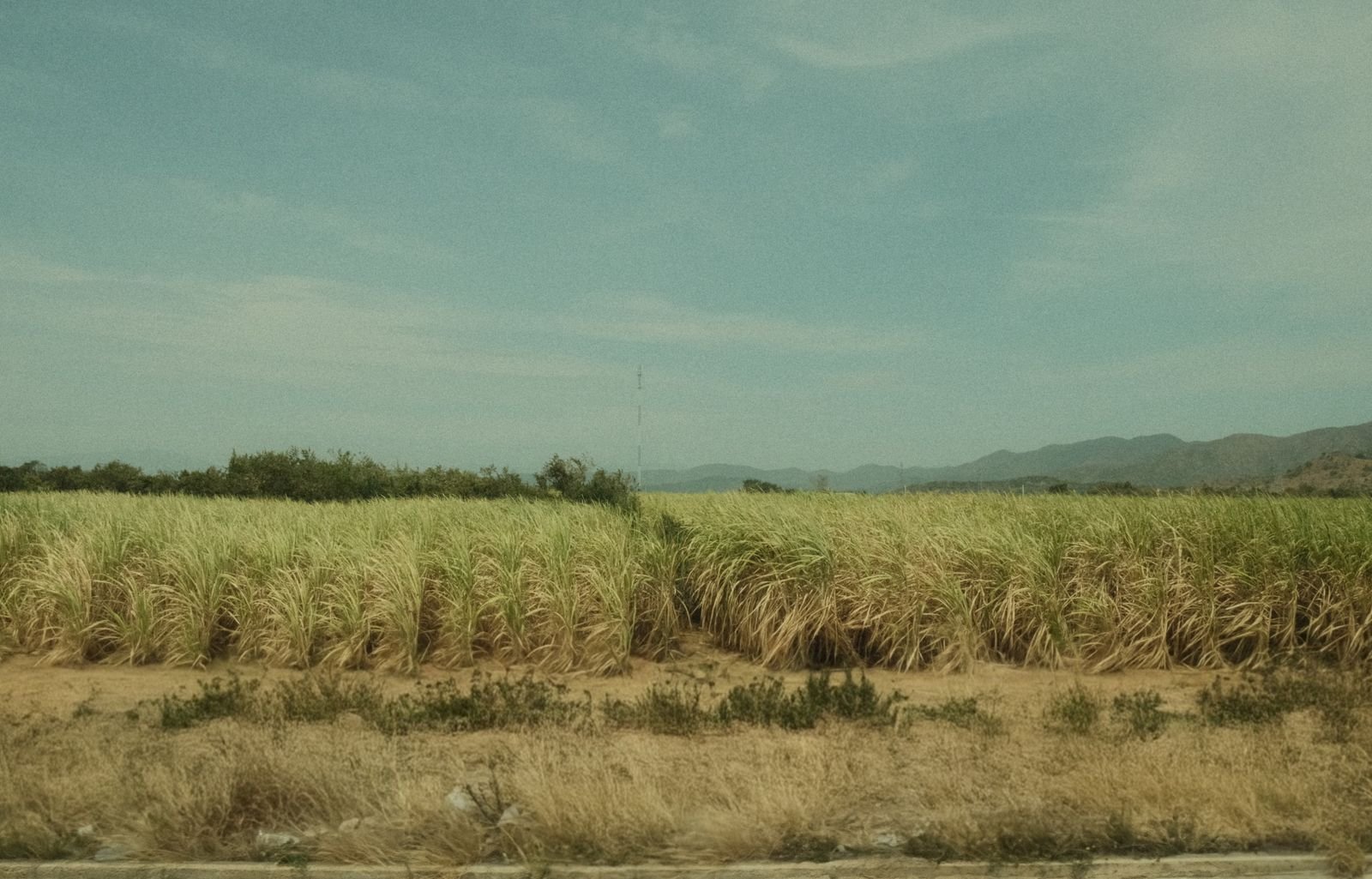
Sugarcane bagasse tableware starts life as waste and ends up as a plate. Bagasse is the dry fibre that remains after sugar is pressed from the cane, and it turns out to be one of the cleanest feedstocks for disposable tableware. Here is how the material is made, and why buyers keep moving their programmes onto it.
The short answer
- Bagasse is the fibre left after sugar extraction, a by-product that once had little value.
- It is pressed into shape under heat and pressure into one solid material, with no plastic lining.
- The finished piece is rated from −18°C to 100°C and is compostable after use.
What bagasse actually is
After sugarcane is crushed to extract its juice, a mat of dry fibre is left behind. For most of the history of the sugar industry that fibre, called bagasse, was burned as fuel for the mill. Pulp moulding gave it a second life: the same fibre that holds a cane together makes a rigid, food-safe plate that needs no plastic coating to hold a hot meal or a frozen dessert.
Because it is a by-product rather than a crop grown for the tableware, the material starts with a low footprint before a single piece is pressed. There is no competing land use and no separate harvest, because the cane was already being grown for sugar. That story, grown from fibre rather than fossil fuel, is one reason operators who care about their packaging end up here.
How the fibre becomes tableware
The process is closer to paper-making than to plastic moulding. The fibre is pulped and suspended in water, formed into shape against a mould, and then pressed under heat and pressure so the piece sets into one solid material throughout. There is no plastic film to laminate and no coating to separate later, which is why the piece stays food-safe across its whole temperature window and why it breaks down at the end of its life.
That single-material construction matters more than it sounds. A lined or coated piece has two materials that can separate in use or in disposal, and a delaminated cup that leaks is a warranty problem. A pressed bagasse piece is one material from rim to base, so there is no bond to fail. You can watch the step that turns fibre into tableware on a factory visit, where the moulding floor and the finishing line are part of the tour.
Why sugarcane bagasse tableware wins in service
- It needs no lining. The fibre is naturally resistant to grease and water, so pieces hold soups, sauces and oily food without a plastic layer that could fail.
- One material across the whole range. The same piece handles −18°C from the freezer and 100°C hot food, so you do not have to split your range between a cold line and a hot line.
- It carries a brand. The matte, moulded surface takes a logo or a story better than gloss, which is why it shows up in retail and branded food service.
- It composts after use. The piece returns to the ground instead of sitting in a landfill for decades, a plain answer to the customer who asks what happens next.
Bagasse against the other eco materials
Bagasse is one of several materials sold as the eco choice, and it is not right for every job. Compared with pressed palm leaf it covers far more formats, including the lidded boxes and deep bowls that a delivery programme runs on. Compared with PLA it is a moulded fibre rather than a bio-plastic, so it handles hot food more comfortably and breaks down without needing the industrial conditions PLA depends on. The full breakdown sits in the material comparison, and each route has its place.
Where it fits in the range
The whole catalogue, 126 pieces across six collections, is moulded from this one material, so a programme can standardise on a single supplier without giving up format: the cutlery, the compartment plate, the cup and the carrier all share the same fibre, the same temperature window and the same end-of-life story. The guided tour of the six collections shows how the range is organised, and the temperature guide covers what sits inside and outside the window. If a piece is missing, the custom mould programme adds it.
Want to feel the material before you commit?
Ask for samples of the pieces closest to your service, or browse the full range. Request samples →