Tableware factory audit: what our Hebei visit covers
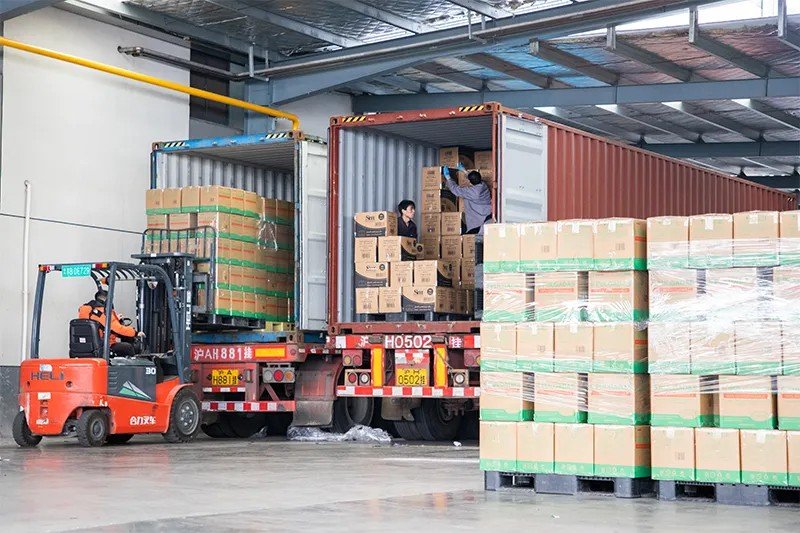
A tableware factory audit is the step between a good quotation and a signed programme, and ours is open to buyers who want to see the line before they commit. A visit to our Hebei plant covers the moulding floor, drying, finishing, packing and the finished goods store, and it is arranged around your questions rather than a fixed tour script.
The short answer
- Visits are welcome and planned around the buyer’s own checklist.
- The tour runs from pulp forming through to the finished goods store.
- Documents are reviewed on site: certifications, test reports and process controls.
- Remote audits are possible when travel is not.
What a tableware factory audit covers
The moulding floor. Presses, tooling, and the moment a wet fibre blank becomes a piece. This is where a shape is formed, and where the tooling from a custom programme lives. The custom moulds guide describes what buyers see here in the context of their own drawing.
What to look for on the floor is consistency rather than speed. A press running at a steady rhythm with a stable blank produces pieces that stack, nest and load the same way carton after carton, and that consistency is what a buyer receives at the end of the chain. Ask how a deviation is caught mid-run and what happens to the pieces either side of it; the answer is the process control in one sentence.
Drying. Heat and pressure, the step that gives the piece its strength. Moulded fibre is pressed under heat during forming, which is why the finished piece handles a service window from −18°C to 100°C, as the temperature guide sets out.
Finishing. Trim, inspection, and the point where defects are caught rather than shipped. The quality control guide covers the checks in detail, including the sampling approach used before a batch is packed.
Packing and the finished goods store. Carton loading, moisture protection, and how a container is built piece by piece. The shipping guide explains why stacking and carton loading decide the freight bill, and this is where you can see it happen.
What buyers usually check
- Certifications and test reports for the exact pieces in the programme, not for a catalogue in general. The certifications guide lists which marks matter for which market.
- Process controls, and how a deviation is handled when one occurs, because the answer tells you more than the certificate.
- Capacity against your volume, and what happens to the calendar in a busy month.
- Reference storage, how approved samples are kept and how a batch is judged against them.
- Direct answers, to the questions you brought with you, asked on the floor rather than in a meeting room.
Questions worth asking on any audit
The questions that separate a real audit from a tour are the same for any supplier, ours included. Which certifications and test reports cover the exact pieces in this programme, and can we see them today. How is a finished batch judged against the approved sample, and who signs that judgement. What happens to the production calendar in a busy month. How is a deviation recorded, and what is done with the pieces either side of it.
Ask for the answers in writing where you can. A plant that keeps records will have no trouble producing them, and a plant that hesitates has told you something either way. The manufacturer checklist lists the full set of questions worth putting to any plant-fibre supplier before a first order, and the certifications guide explains which marks apply to your market.
How to arrange a visit
Tell us the pieces, the volumes and the questions that matter, and we plan the day around them. Bring the approved sample from your own programme if you have one; it is the most useful reference in the building. Visits are arranged with a short safety briefing, and questions are welcome at any point on the floor.
A day usually runs from the moulding floor through drying and finishing to the finished goods store, with the document review at the end so the paperwork lands after the line has been seen. Buyers who send their pieces and volumes ahead of the dates get more out of the day than buyers who arrive with a general brief, and buyers combining the visit with a sample review of their own programme get more still.
Auditing from a distance
When travel is not possible, the same ground can be covered remotely: a video walkthrough of the line, documents shared ahead of an order, and a third-party inspection on request. Ask whether third-party inspection is welcome; the answer tells you a great deal about how the line is run. The manufacturer checklist covers what to ask any supplier, ours included, before a first order.
Want to see the line?
Tell us the pieces and volumes you are considering and we will arrange a visit, or a remote walkthrough if travel is not practical. Arrange a visit →