Testing tableware samples: what to check before you order
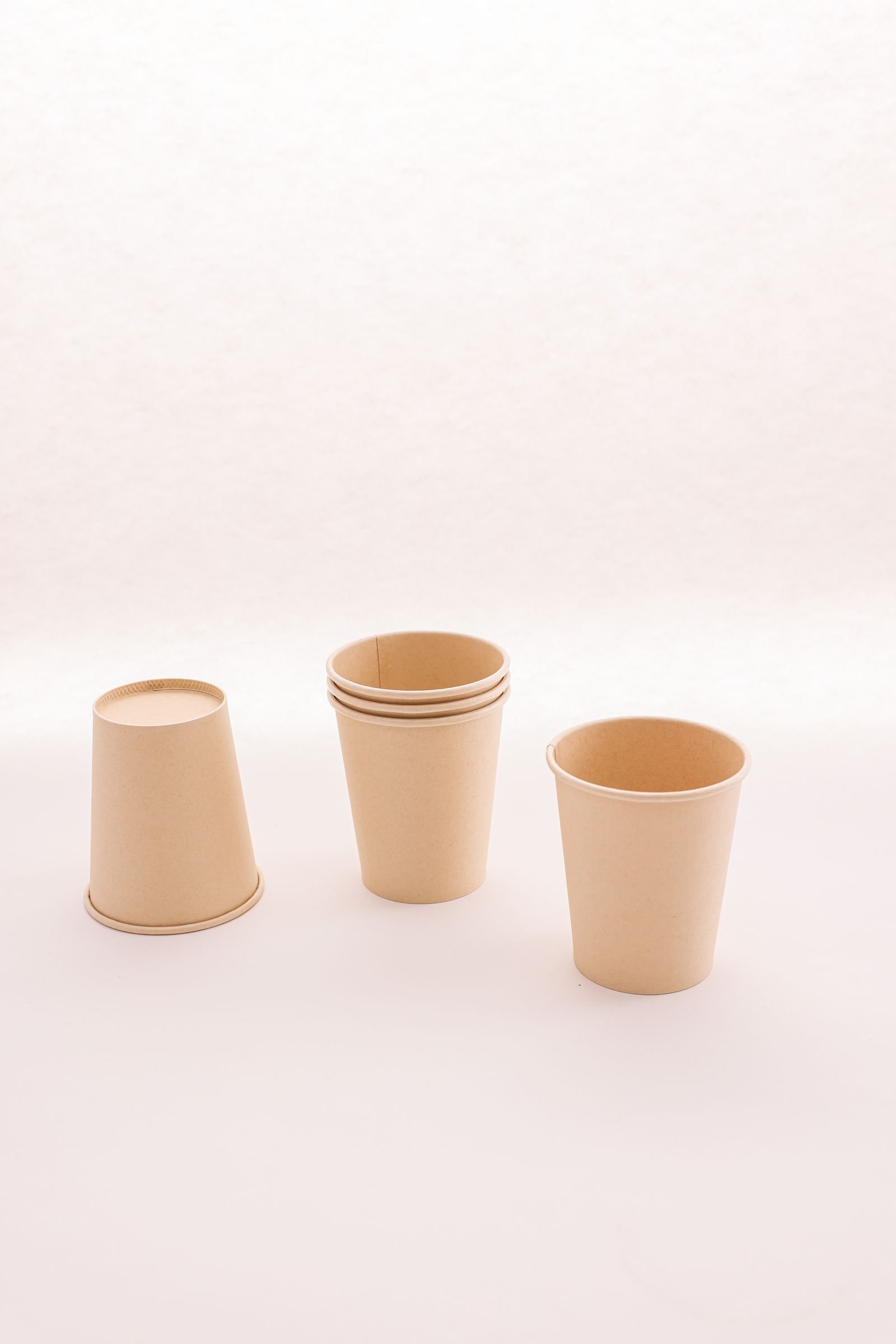
Testing tableware samples is the step that turns a quotation into a decision. A spec sheet can tell you a dimension and a material, but it cannot tell you how a lid seats on the hundredth unit, how a compartment plate behaves under a hot curry, or whether a piece feels right in the hand. Ten minutes with the right samples answers all of it, and it is the cheapest insurance a programme can buy.
The short answer
- Ask for samples of the exact pieces, in the same material as production, not a lookalike.
- Test against your real menu: hot food, cold food, sauces, lids and stacking.
- Keep the approved sample: it becomes the reference the batch is judged against.
Getting the right samples in the first place
The most common mistake is testing the wrong sample. Ask for the exact pieces you intend to order, pressed from the same material and on the same line as production, because a hand-finished sample can flatter a piece that the real mould will not. Samples go out on request, and if a piece is custom the first sample comes through the custom mould programme, seven days from an approved drawing.
Ask for enough units to run the tests below properly, not one of each. Lid fit and stacking in particular need a run of units, because consistency is the thing being tested. If the programme will carry a brand, ask for the artwork proof on the actual piece rather than on a render, since the matte moulded surface takes a mark differently to a smooth one.
Testing tableware samples against your menu
Run the tests your service will demand. Our pieces are rated from −18°C to 100°C, so the temperature window is easy to check at both ends: freezer, then hot food straight from the pass. For anything with a sauce, hold the piece at temperature and watch for weep-through, because grease and water resistance is the claim that matters most in delivery and takeaway. Fit the lid and press it, then repeat on a run of bases; a lid that seats on one unit and not the next is a production drift, not a sample problem.
Then stack and drop. Stack the pieces the way they will be stored and carried, because a piece that slides in a stack costs labour every service. Drop a unit from counter height onto a hard floor; moulded fibre is forgiving, but you want to know where the limit is before your staff find it. The temperature guide covers what sits inside and outside the window, and the bagasse guide explains why the single-material construction holds up without a lining.
Look, smell and count
The visual check is quick and it catches more than buyers expect. Look at the rim and the wall for burrs, foam specks and soft patches; look for black specks or foreign fibre, which point to a material stream that is not clean; check the colour against the approved reference so a drift between batches is visible. Then smell the pieces: a musty odour means moisture, and moisture in a sample means moisture in a batch.
Count matters too. Confirm the carton quantity and the pieces per carton against the quotation, because the count decides both the unit price and the stacking in the container. If the packing will be individually wrapped, check the wrap on a run of pieces: it should be consistent, sealed, and easy to open in service without scattering the contents.
Documents, approval and the next step
Ask for the paperwork that belongs with the samples, not after the order. That means the food-contact and compostability reports for the specific pieces, since certification follows the product that was tested rather than the catalogue. The certifications guide explains which reports matter for which market, and the labels guide covers what the claims on the pack are allowed to say.
When a sample passes, keep it. The approved sample becomes the reference that a batch is judged against, which is exactly how the quality control checks before shipment are meant to work. From there the flow is the standard one: approve the samples, confirm the MOQ and lead times in the quotation, and plan the first order around real dates. The ordering guide covers that flow end to end, and the product pages show the base formats you can sample from.
One more habit pays for itself: run the same tests on a second batch later, not just the first. A sample proves what a line can do; a repeat check proves what it does consistently, and that is the difference between a good first order and a programme that holds together over years.
Ready to run the tests?
Ready to run the tests?
Ask for samples of the pieces closest to your service and judge them against your menu. Request samples →
More buying guides for importers sit on the Daoxiang blog.