Bamboo vs bagasse vs palm leaf vs PLA: which material wins?
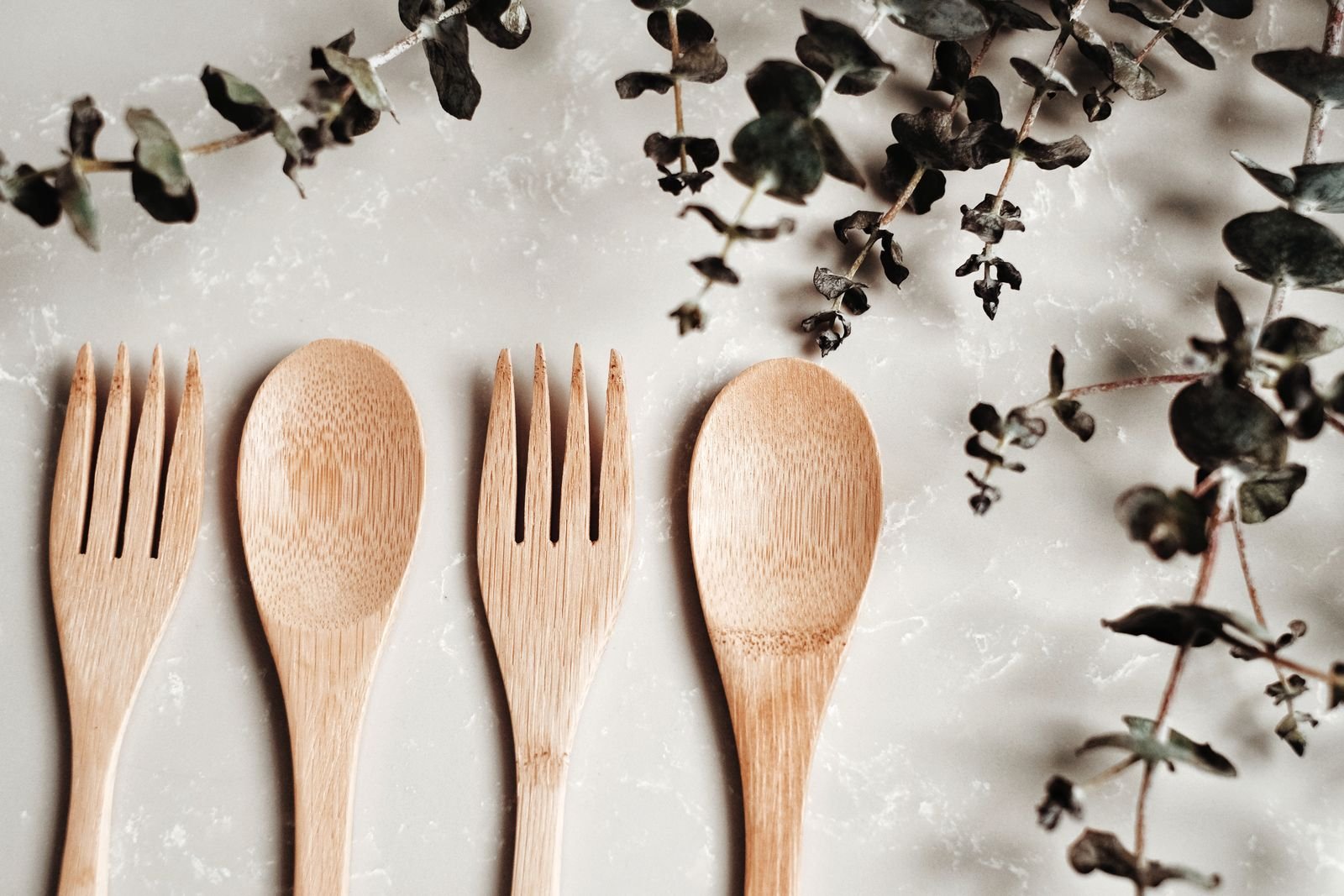
Bamboo vs bagasse vs palm leaf vs PLA: four materials get sold as the eco choice, and they are not interchangeable. Some are pressed plant fibre, one is a bio-plastic, and the differences show up in temperature range, in what happens at disposal, and in whether the piece needs a coating. Here is a fair comparison, and where our own range sits and why.
The short answer
- Bagasse: pressed plant fibre, one material, no lining, −18°C to 100°C, compostable.
- Bamboo: hard and reusable, but often bonded; check food-contact status of the binder.
- Palm leaf: naturally pressed leaf, single material, but limited formats.
- PLA: a bio-plastic, compostable only in industrial facilities, not the same as plant fibre.
Bamboo vs bagasse: the pressed-fibre difference
Both are plant materials, but they behave very differently as disposable tableware. Bamboo is hard and dense, which makes it excellent for reusable crockery and travel cutlery but awkward for single use. Bagasse is pressed from a soft fibre and moulds into the lidded boxes, deep bowls and cups that a busy kitchen actually runs on. If your programme is single-use and high volume, that difference in what the material can be pressed into decides the choice.
Bagasse: pressed plant fibre, our base material
Bagasse is the fibre left after sugar extraction, pressed under heat and pressure into one solid piece with no plastic lining. It holds the full freezer-to-hot-food window from −18°C to 100°C, resists grease and water without a coating, and is compostable after use. It is the material behind the whole 126-piece catalogue, and the bagasse guide covers how it is made. For food service that needs one material to cover hot meals and frozen desserts, it is the widest fit.
Bamboo: durable, but check the bond
Bamboo tableware is hard and reusable, which makes it popular for crockery and travel cutlery rather than for single-use. The thing to check is how the pieces are held together. Many bamboo disposables are laminated or bonded with resins, so the food-contact status of the binder matters as much as the fibre, and a bonded piece is not the single-material compostable item it first appears to be. For a single-use programme, a pressed, single-material piece like bagasse is simpler to certify and simpler to dispose of.
Palm leaf: natural but limited in format
Palm leaf, usually areca, is made by pressing fallen leaf sheaths into shape with heat, and it is genuinely single-material. The limitation is range: palm leaf suits plates and shallow shapes, and it is harder to mould into the lidded boxes, deep bowls and cups that a delivery or takeaway programme depends on. It is a strong fit for buffet, event and dessert service where the presentation and the natural look are the point, and a weaker fit for everyday high-volume service.
PLA: a bio-plastic, not plant fibre
PLA is the one on this list that is not fibre at all. It is a bioplastic made from fermented plant starch, usually corn, and it behaves more like plastic: it needs high heat to mould, it can soften with hot food, and it is compostable only in an industrial facility. It is often confused with moulded fibre, but a PLA cup and a pressed bagasse cup come from different processes and behave differently at disposal. For buyers, the distinction matters when a programme claims to be plant-based, because PLA needs the same industrial composting route as the certified fibre, not a garden heap.
A quick decision guide
Match the material to the job. Hot meals, soups and delivery boxes run best on bagasse, because one material covers the whole temperature window from freezer to hot food. Buffet and dessert presentation suits palm leaf for its natural look and shallow shapes. Reusable crockery is where bamboo earns its place. And PLA is a bioplastic choice for cold cups and clear formats, not a drop-in for fibre. If you want to feel the difference, the temperature guide and samples are the quickest way to see which range fits your menu.
Comparing materials for a programme?
Send us the service and the menu, and we will shortlist the pieces. Get a shortlist →